
Cuphea glutinosa
Cuphea glutinosa
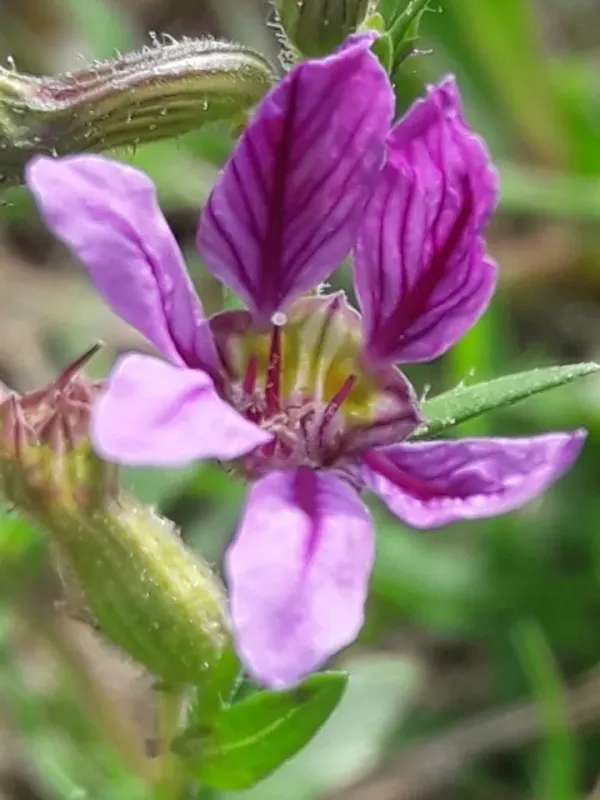
Description
Sowing dates
Sowing of Cuphea glutinosa typically takes place in the spring, once soil temperatures remain consistently above 15–18 degrees Celsius. Proper soil moisture is essential for rapid germination, so late April or early May is generally considered the optimal window.
In field production, seeds are usually sown in rows or clusters. The seeds should be planted at a shallow depth of 1–2 centimeters, ensuring they have sufficient light exposure while being protected from desiccation.
Preparing the seedbed is a crucial step. The area must be thoroughly weeded, as Cuphea glutinosa seedlings are sensitive to competition from invasive grasses and broadleaf weeds during their early stages of growth.
Selecting high-quality seeds with strong germination energy significantly improves the uniformity of the stand. Pre-treatment or stratification of seeds can further enhance consistency in challenging climates.
Spacing must be adjusted according to the intended use of the crop. Proper plant density ensures adequate airflow, which is critical to preventing fungal diseases and promoting healthy stem development.
Growing requirements
Cuphea glutinosa, a member of the Lythraceae family, thrives in warm climates with high sunlight levels. It requires an open, sunny location to reach its full vegetative potential and maximize seed production.
The ideal soil is fertile, well-draining, and slightly acidic to neutral in pH. Cuphea does not tolerate waterlogged conditions, so heavy clay soils require amendment with organic matter or sand to improve structure and drainage.
This crop prefers temperatures between 20–25 degrees Celsius. It is sensitive to frost, which often dictates its classification as an annual crop in temperate regions, requiring careful timing to avoid cold snaps.
Consistent watering is necessary, especially during dry spells, to maintain steady growth. However, care must be taken to avoid excessive soil moisture, which can quickly lead to root rot and other physiological issues.
Fertilization should be balanced, with a focus on phosphorus and potassium to encourage robust flowering and seed development. Applying nutrients in split doses helps maintain steady availability throughout the growing season.
Yield
The yield of Cuphea glutinosa depends largely on effective agronomic management and favorable weather conditions. As an oilseed crop, its success is measured by the quality and quantity of its fatty acid-rich seeds.
Proper weed control is essential for maintaining yield targets. Since Cuphea can be outcompeted easily, maintaining clean fields is necessary to ensure the plant directs energy into seed production rather than survival.
Pollination plays a major role in yield. The presence of pollinators, such as bees, ensures successful fertilization of the flowers, leading to higher seed set and better overall crop performance.
Monitoring the maturation phase is critical. Harvesting at the peak of seed maturity ensures maximum oil content, which is a key requirement for the pharmaceutical and cosmetic industries that utilize this crop.
Under intensive cultivation systems, Cuphea glutinosa can provide reliable yields comparable to other specialized oilseed crops, making it an attractive option for farmers looking to diversify their portfolios.
Main diseases and pests
Fungal diseases are the primary threat to Cuphea glutinosa, particularly in humid conditions. Powdery mildew and root rot are common issues that arise when air circulation is poor or soil moisture levels are too high.
Pests such as aphids and spider mites can cause significant damage to tender shoots and leaves. Regular scouting allows for early detection, enabling farmers to intervene before an infestation becomes widespread.
- Powdery mildew (white fungal growth on foliage).
- Root rot (often due to overwatering).
- Aphids (sap-sucking insects).
- Spider mites (causing leaf yellowing and curling).
- Thrips (damaging buds and flowers).
When implementing pest control, biological solutions are preferred to minimize the impact on beneficial insects. Chemical pesticides should be used only as a last resort and within strict regulatory guidelines.
Crop rotation is an essential preventive practice. Avoiding the planting of Cuphea on the same plot for at least three to four years helps break the life cycle of soil-borne pathogens and pests.
Harvesting
Harvesting Cuphea glutinosa is challenging because seeds do not mature simultaneously. Timing is vital; the crop should be harvested when the majority of seed pods are dry but before they naturally dehisce and disperse their seeds.
On small plots, hand-harvesting is feasible. In commercial agriculture, combines are used, often combined with desiccation treatments to dry out the vegetation uniformly and facilitate machine processing.
Post-harvest handling is critical. Seeds must be dried immediately in well-ventilated areas to prevent mold growth and maintain the viability of the oil reserves within the seeds.
Cleaning the seed lot using air screens or mechanical separators is necessary to remove plant debris, which could otherwise hold moisture and jeopardize the storage life of the harvest.
Proper storage involves using airtight containers in cool, dry conditions. Maintaining low moisture content in the seeds is essential for ensuring long-term shelf stability and preventing rancidity.