
Cuphea anagalloidea
Cuphea anagalloidea
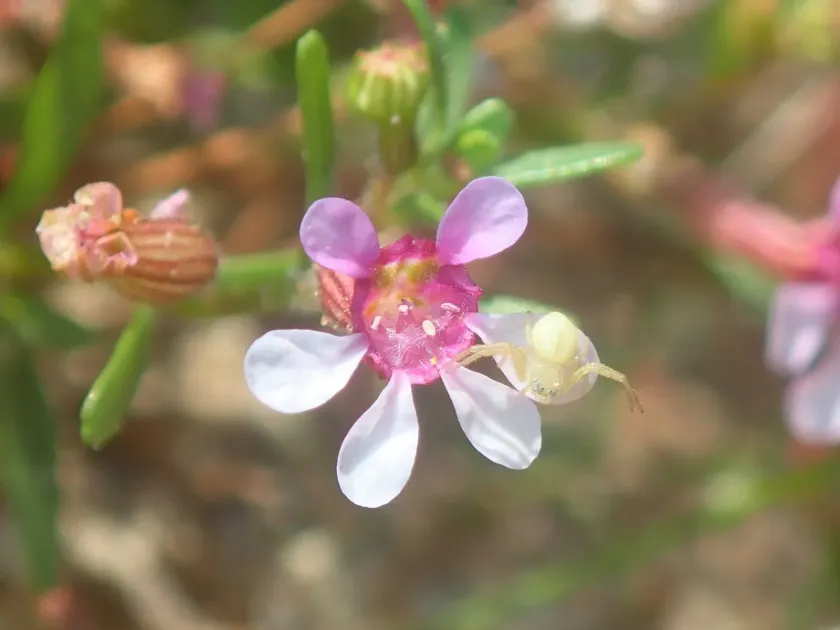
Description
Sowing dates
Seeds of Cuphea anagalloidea should be sown in late winter or early spring using a lightweight, peat-based seed starting mix. The seeds are very small and require light for germination, so they should be surface-sown and barely pressed into the soil.
Maintaining a constant temperature between 20°C and 22°C is essential for successful germination. It is highly recommended to cover the tray with a clear plastic dome or glass to maintain the humidity levels necessary for the delicate seedlings.
Once the first set of true leaves develops, the seedlings should be carefully pricked out and transplanted into individual pots. Great care must be taken during this stage as the root system is extremely sensitive to disturbance.
Hardening off the plants is a critical step before moving them to their permanent outdoor location. This process should take place over 7 to 10 days, gradually exposing the plants to ambient temperatures and light conditions.
A spacing of 20–30 cm between plants is recommended to allow for adequate airflow. Proper spacing is one of the most effective ways to ensure the plants reach their full potential without competing for nutrients or light.
Growing requirements
Cuphea anagalloidea belongs to the Lythraceae family and is native to tropical wetlands, which dictates its preference for consistently moist conditions. It thrives best in environments where high humidity can be maintained throughout the growing season.
The plant prefers bright, indirect light. While it enjoys a high light intensity, direct scorching sun should be avoided as it can damage the foliage. A location with morning sun or filtered light is ideal for healthy growth.
The soil must be rich in organic matter and possess excellent drainage capabilities. A well-balanced mixture of peat moss, perlite, and decomposed leaf mold provides the structure and nutrient profile required for this species.
Watering frequency should be determined by the moisture levels of the soil surface. The soil should never be allowed to dry out completely, nor should it remain waterlogged, as this often leads to root rot issues.
Temperature management is straightforward, with the plant favoring a range between 18°C and 25°C. It is strictly a non-hardy plant that will perish if exposed to frost, necessitating indoor winter protection in colder climates.
Main diseases and pests
Spider mites are the most frequent pests associated with Cuphea anagalloidea, particularly in warm and dry greenhouse conditions. They can be managed by increasing humidity and using insecticidal soaps if necessary.
Whiteflies can also cause significant issues, as they feed on the sap and can weaken the plant over time. Regular monitoring of the underside of leaves is recommended for early detection of these pests.
Fungal infections, such as root rot, are typically the result of over-watering or poor aeration in the root zone. Ensuring a high-quality drainage layer is the primary defense against these soil-borne pathogens.
Powdery mildew may occur when humidity is high and air circulation is stagnant. Pruning affected leaves and improving the ventilation in the growing area are effective measures to control the spread of the fungus.
Routine inspections are the key to maintaining a healthy crop. By removing any debris from the soil surface and avoiding over-crowding, the risk of disease transmission between plants is significantly reduced.