
Cuphea hybrids
Cuphea hybrids
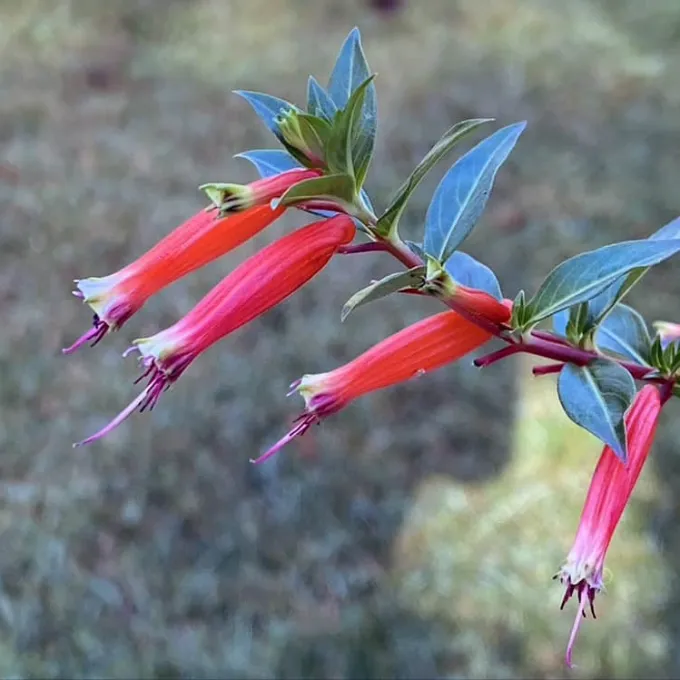
Description
Sowing dates
Cuphea hybrids are a promising oilseed crop belonging to the Lythraceae family. These plants are actively researched as a renewable source of medium-chain triglycerides, which are essential for various industrial and pharmaceutical applications.
Sowing should take place when soil temperatures consistently reach 15-18 degrees Celsius. Early planting must be avoided, as young seedlings are extremely sensitive to late spring frosts, which can cause significant stand loss.
The crop is typically sown in rows with a spacing of 45-60 cm. This wide spacing ensures optimal light penetration for the plants and facilitates mechanical weed control throughout the growing season.
The seeding rate is calculated based on the target population density, which generally ranges between 200,000 and 300,000 plants per hectare to achieve maximum field productivity.
Seeds should be planted at a shallow depth of 1-2 centimeters. Due to their small size, high-quality seedbed preparation is necessary to ensure uniform germination and successful crop establishment.
Growing requirements
Cuphea is a heat-loving plant that requires a long frost-free period to complete its life cycle and seed maturation. Ideal growing temperatures range between 22 and 28 degrees Celsius for vigorous development.
The crop performs best in light, well-drained sandy loam or loamy soils with a neutral pH. Proper soil structure is essential for root health and overall plant vitality.
Water availability is crucial during the first half of the growing season. While Cuphea exhibits moderate drought tolerance during flowering and seed filling, prolonged moisture stress can significantly reduce oil content.
Fertilizer application should be based on soil testing results. The crop responds well to moderate nitrogen fertilization during the active growth phase, though excessive nitrogen may delay seed maturity.
Cuphea prefers open, sunny locations protected from strong winds. Heavy gusts can cause lodging in taller varieties, negatively impacting both biomass health and potential mechanical harvest efficiency.
Yield
Yield potential of Cuphea hybrids varies significantly based on geographic region and management intensity. Under optimal conditions, producers can achieve between 1.5 and 2.5 tonnes of seed per hectare.
The primary economic indicator for this crop is oil content, which can reach 35-40%. Its unique composition, particularly high levels of caprylic and capric acids, makes it a valuable industrial feedstock.
Harvest timing is critical, as Cuphea seeds are prone to shattering if left in the field too long. Desiccation is often employed to ensure uniform maturation and reduce harvest losses.
Post-harvest management involves immediate drying and cleaning to remove impurities. Seed moisture content must be maintained below 8-10% to prevent spoilage and self-heating during storage.
The commercial viability of Cuphea depends heavily on the integration of downstream processing, as the specific oil profile is highly sought after in the cosmetics and renewable fuel industries.
Main diseases and pests
Common pests affecting Cuphea include various species of aphids. These insects feed on sap from young leaves and flower heads, which can stunt plant growth and reduce overall yield potential.
In high-humidity environments, crops are susceptible to fungal diseases such as root rot and powdery mildew. These issues often stem from poor rotation practices or inadequate soil aeration.
Weed management remains the most challenging aspect of cultivation, especially during early growth. As Cuphea establishes slowly, early-season weed competition can severely limit crop vigor.
An integrated pest management (IPM) strategy, combining cultural practices with the judicious use of approved pesticides, is essential to mitigate losses from pests and pathogens throughout the cycle.
Regular field scouting is recommended to detect localized infestations early. Rapid response to pest presence prevents outbreaks from spreading across the entire field area.
Harvesting
Harvesting is primarily conducted using direct combining methods when the majority of seed pods reach technical maturity and moisture levels in the plant material have dropped sufficiently.
Chemical desiccation prior to harvest is a standard procedure to stop vegetative growth and allow for a smoother flow of material through the combine harvester’s threshing mechanism.
Careful combine calibration is necessary, as Cuphea seeds are lightweight and can easily be lost through the cleaning system if airflow is not precisely regulated for the seed's physical characteristics.
Timely harvest is paramount. A delay of even a few days past the optimal maturity window can result in significant seed loss due to natural shattering of the mature capsules.
Post-harvest conditioning includes aeration to maintain seed quality. Efficient logistics from the field to storage and processing facilities ensure that the oil content remains stable for industrial use.