
Cuphea densiflora
Cuphea densiflora
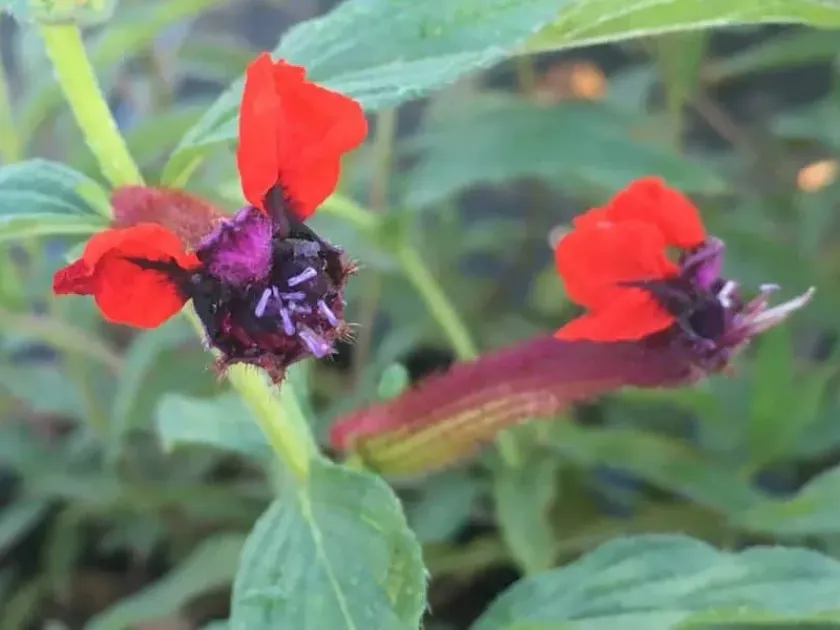
Description
Sowing dates
Cuphea densiflora is a heat-loving crop, so sowing should only be performed when the soil has warmed up sufficiently. The optimal time for field operations is when soil temperatures at the seeding depth remain consistently above 15 degrees Celsius.
The seeds of this plant are very small, which requires high precision when calibrating planting equipment. It is recommended to bury the seeds at a shallow depth of 1 to 2 centimeters to ensure they have enough energy to emerge through the soil surface.
In regions with shorter growing seasons, starting the plants as seedlings in trays is a viable strategy. This approach allows for a longer period of development, ensuring the seeds reach full maturity and accumulate the necessary lipids for a high-quality harvest.
Planting density should be managed to ensure the canopy closes, which naturally helps suppress weed growth. However, excessive density must be avoided as it reduces airflow within the field, potentially leading to fungal disease outbreaks.
Adherence to the sowing schedule is critical, as the young seedlings are highly sensitive to late frost. Cold snaps in the early stages of development can cause total crop failure, necessitating careful monitoring of local meteorological forecasts.
Growing requirements
Cuphea densiflora, belonging to the Lythraceae family, originates from tropical and subtropical regions of the Americas. It is increasingly valued in agriculture as a sustainable source of medium-chain fatty acids, such as lauric acid.
The crop requires significant light exposure throughout the day to support its metabolic processes. Abundant sunshine is essential for the plant to thrive and for the efficient biosynthesis of oils within the developing seeds during the ripening phase.
It prefers well-drained, fertile soils with a neutral or slightly acidic pH. Waterlogging is detrimental to the plant’s root system, as poor drainage promotes root rot and severely stunts the growth of the vegetative part of the plant.
Maintaining adequate soil moisture is vital during the critical stages of budding and fruit set. Drought stress during these periods can lead to premature flower drop and significantly lower the final yield of the harvest.
The crop responds well to balanced fertilization, particularly with phosphorus and potassium, which help improve immunity and boost oil content. Proper nutrition is key to ensuring the plant reaches its full physiological potential.
Yield
Yield performance for Cuphea densiflora depends largely on seasonal climate conditions and the precision of agronomic practices. Breeders are currently focused on developing high-yielding cultivars with improved flowering and seed retention characteristics.
A notable feature of this plant is its extended flowering period and asynchronous seed maturation. This creates logistical challenges during harvest, requiring agronomists to closely monitor the plant's development to optimize the timing of crop collection.
Oil output per unit area is the primary economic indicator for this crop. Due to the unique chemical composition of its seeds, Cuphea is becoming an attractive alternative for chemical and cosmetic industries seeking sustainable bio-based ingredients.
To achieve consistent yields, farmers must ensure optimal micro-nutrient levels throughout the growth cycle. A nitrogen deficiency in the early stages can lead to reduced branching, resulting in fewer flower spikes and a lower total harvest.
The use of desiccants before harvest is often employed to synchronize maturation across the field. This practice is essential for reducing losses caused by seed shattering and for ensuring that the collected material meets high quality standards.
Main diseases and pests
Common pests affecting Cuphea in intensive cultivation systems include sap-sucking insects like aphids and whiteflies. These pests feed on plant juices, weakening the plants and often acting as vectors for various viral diseases.
High humidity and poor ventilation can quickly trigger fungal diseases such as powdery mildew or gray mold. Regular field inspections are necessary to detect symptoms early, allowing for targeted treatment before the infection becomes widespread.
Root systems are vulnerable to soil-borne pathogens if irrigation or drainage is mismanaged. In sandy soils, nematodes can sometimes pose a threat, necessitating the use of crop rotation or resistant varieties to maintain field productivity.
Maintaining a strict crop rotation cycle is the primary defense against the buildup of soil-borne pests. It is recommended not to replant Cuphea on the same land for at least three years to disrupt the life cycle of specific pathogens.
Integrated Pest Management (IPM) is strongly encouraged to minimize reliance on chemical pesticides. By promoting natural predator populations and monitoring, farmers can effectively protect their crop while adhering to environmental safety standards.
Harvesting
The harvest process is labor-intensive due to the plant’s biological tendency to ripen seeds unevenly. Choosing the exact moment for collection is crucial to prevent significant yield losses through natural seed dispersal.
Harvesting typically commences once the majority of seed pods have turned dark, signaling that the seeds have reached physiological maturity and maximum oil accumulation. Precision timing at this stage is essential to maximize economic return.
After mechanical harvesting, the seeds must be immediately cleaned of debris and subjected to forced drying. Moisture content must be reduced below 10% to prevent degradation of the oil and ensure the stability of the raw material during storage.
Storage should take place in cool, well-ventilated facilities with controlled humidity levels. Proper containment is necessary to protect the harvest from stored-product pests, which can cause significant damage during the winter months.
The drying process must be gentle to prevent overheating, which can destroy the valuable chemical components of the oil. High-quality post-harvest processing is ultimately what determines the market value of the crop.