
Cuphea aequipetala
Cuphea aequipetala
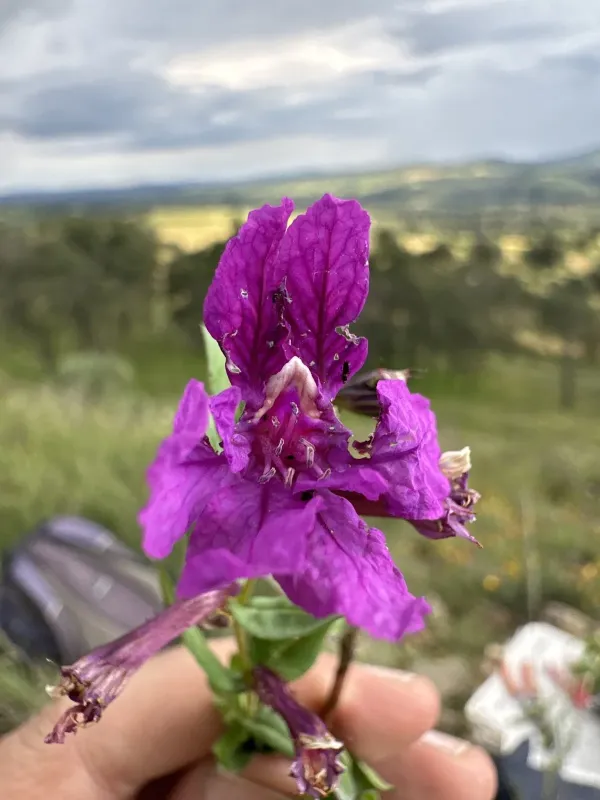
Description
Sowing dates
Sowing Cuphea aequipetala should occur once the soil has warmed up, as the seeds are sensitive to cold conditions. The ideal time for planting is typically late spring, once all danger of frost has passed in the region.
Seeds are sown in rows, allowing enough space between them for mechanical maintenance. The planting depth should be shallow, consistent with the small size of the seeds, to ensure optimal germination rates and avoid dehydration of the seedbed.
Preparing a fine, weed-free seedbed is essential for this crop. Because Cuphea exhibits relatively slow initial growth, maintaining a clean field during the early stages of development is crucial for establishing a healthy population.
In regions with shorter growing seasons, starting the plants in a greenhouse or nursery is recommended. This practice extends the effective vegetation period, ensuring a higher yield of mature seeds before the autumn climate shift.
The seeding rate should be adjusted based on local soil fertility and moisture levels to achieve the target plant density. Proper spacing is necessary to maximize branching and overall productivity per plant.
Growing requirements
Cuphea aequipetala is a member of the Lythraceae family, native to Mexico and Central America. It is a warm-season plant that thrives in sunny conditions and requires consistent heat for its physiological processes to peak.
Well-drained soils are mandatory for this crop; it does not tolerate waterlogging, which often leads to root rot and other pathogenic infections. Neutral to slightly acidic soil pH levels are generally considered ideal for its growth.
Although it requires sufficient water during active growth, excessive humidity, especially when combined with high temperatures, can create a breeding ground for fungal diseases. Good field ventilation is therefore a key management strategy.
Fertilization with balanced nutrients is beneficial, particularly during the early vegetative stage. Proper management helps the plant produce more side branches, which in turn increases the number of seed-bearing capsules.
Once established, the plant shows moderate drought tolerance. However, irrigation during critical stages like flowering and seed filling can significantly stabilize yields in unpredictable weather conditions.
Yield
Cuphea aequipetala is primarily valued for its seed oil, which is uniquely rich in medium-chain triglycerides, particularly caprylic and capric acids. These components are highly sought after by the cosmetic and chemical industries.
Yield stability depends heavily on efficient pollination. Placing beehives near the cultivation area is a proven method to ensure optimal fertilization of the flowers and maximize the seed set.
The total yield is directly correlated with the degree of branching of the plant. A more robust, well-branched plant will produce more flowers and, consequently, more capsules, increasing the potential output per hectare.
Because the crop has a long flowering period, farmers must carefully plan the harvest time to maximize the collection of mature seeds. Ensuring uniform development is a primary goal of ongoing selection programs.
Ongoing agricultural research focuses on developing varieties with non-shattering pods to reduce harvest losses and increase the economic viability of the crop for large-scale production.
Main diseases and pests
Common pests affecting Cuphea include aphids and spider mites, which thrive in hot and dry conditions. Regular field monitoring is essential to detect these infestations early and implement necessary control measures.
Fungal issues, such as powdery mildew, are common in environments with poor air circulation or high humidity. Managing plant density and using appropriate fungicides are standard practices to minimize these risks.
Root diseases are frequently linked to poor soil drainage. Improving soil structure and ensuring consistent, light irrigation cycles are key preventive measures to maintain plant health throughout the season.
Weed competition can drastically reduce yields in the early stages of the crop. Mechanical cultivation between rows is often the most efficient way to manage weeds before the canopy closes.
Integrated pest management (IPM) strategies, including the use of beneficial insects and resistant varieties, are recommended to maintain a healthy and sustainable crop environment.
Harvesting
Harvesting Cuphea is a delicate operation due to the uneven ripening of the seed capsules. Farmers should wait until the majority of the capsules turn brown and dry to ensure the quality of the seeds.
Mechanical harvesting requires precise equipment settings to avoid damaging the seeds. Using combines with low-impact threshing mechanisms helps preserve seed integrity and minimize losses.
Post-harvest processing involves immediate cleaning and drying. Because the seeds contain a high percentage of oil, they are prone to heating and degradation if stored with high moisture content.
Storage should be in cool, well-ventilated areas to prevent spoilage. Proper post-harvest management is vital to maintaining the high quality of the oil for industrial applications.
The crop residues left after harvesting can be incorporated back into the soil as organic matter. This helps improve soil structure and fertility for subsequent planting seasons in the rotation.