
Cuphea micropetala
Cuphea micropetala
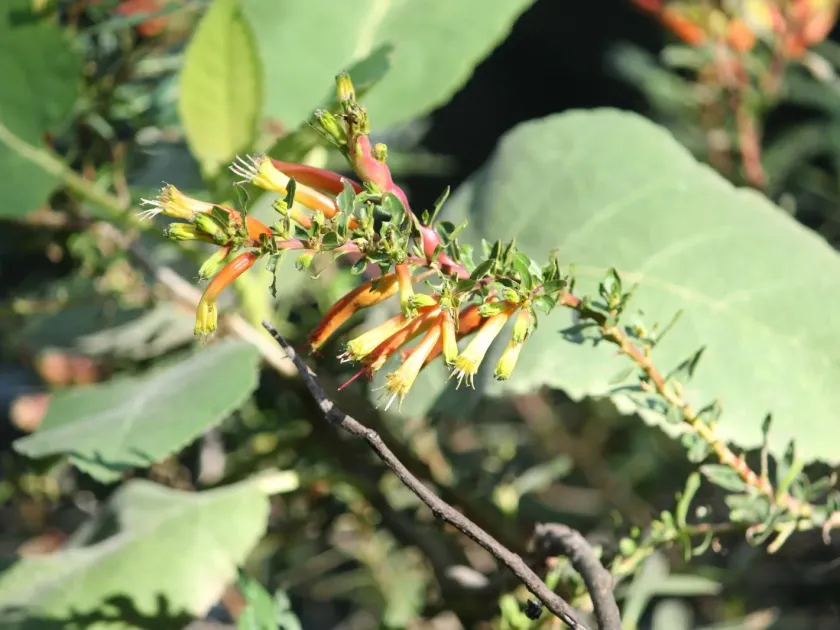
Description
Sowing dates
Sowing Cuphea micropetala seeds is best performed in late winter or early spring in a controlled indoor environment. Seeds require light for successful germination; therefore, they should be surface-sown on a moist, high-quality seedling substrate without covering them deeply.
The transplant method is highly recommended due to the plant's long growth cycle. Young seedlings should be hardened off and moved outdoors only once all danger of frost has passed and the soil temperatures are consistently above 15 degrees Celsius.
In field production, maintaining an appropriate planting density is vital for air circulation. A spacing of 30 to 40 centimeters between individual plants is ideal for ensuring optimal resource competition and healthy foliage development during the vegetative phase.
Maintaining a stable temperature of approximately 20–22 degrees Celsius is crucial for consistent germination. Covering the seed trays with clear plastic or glass helps maintain the necessary humidity levels during the critical first two weeks of development.
Before sowing, checking seed viability and using growth stimulants can significantly improve emergence rates. Proper planning of the sowing timeline allows for maximizing the blooming and seed-setting period throughout the available warm season.
Growing requirements
Cuphea micropetala is a perennial plant originating from Mexico, belonging to the Lythraceae family. It is a heat-loving species that thrives in full sun, requiring exposure to direct sunlight for the majority of the day to ensure vigorous growth and abundant flowering.
The plant demands well-draining, fertile soil with a neutral to slightly acidic pH level. Heavy, waterlogged soils are detrimental to root health and should be avoided or amended with organic matter and drainage materials like perlite or coarse sand.
Temperature management is a primary concern in non-tropical climates. Cuphea micropetala is sensitive to freezing and performs best in environments where temperatures remain between 18 and 28 degrees Celsius, necessitating protective measures or indoor overwintering.
Watering schedules should be consistent, providing enough moisture to support active growth while avoiding saturation. During the height of the summer, mulch can be applied to retain soil moisture and stabilize the root zone temperature.
Nutrient management involves applying a balanced fertilizer during the early growth stage. As the plant transitions into the flowering phase, reducing nitrogen levels while increasing phosphorus and potassium supports the development of seeds and inflorescences.
Main diseases and pests
Common pests affecting this species include whiteflies and spider mites, particularly in greenhouses or warm, dry climates. Regular inspections of the undersides of leaves are necessary to detect infestations early and apply appropriate biological controls.
Powdery mildew is the most frequent fungal issue, often triggered by poor ventilation and high humidity. Improving airflow around the plants and avoiding overhead irrigation can effectively reduce the risk of disease transmission within the crop.
Root rot is a major threat often caused by overwatering or soil compaction. Utilizing high-quality, porous potting mixes and ensuring adequate drainage holes in containers is the best preventative strategy against these devastating soil-borne pathogens.
Aphid attacks can stunt plant development, particularly on tender new growth. Integrated pest management, including the use of neem oil or insecticidal soaps, provides a safe and effective way to manage these insects without harming beneficial pollinators.
Maintaining rigorous sanitation practices, such as removing fallen leaves and pruning dead tissue, prevents the buildup of pathogens. Constant vigilance and preventive care are essential for maintaining the health and productivity of the Cuphea crop.