
Cuphea parsonia
Cuphea parsonia
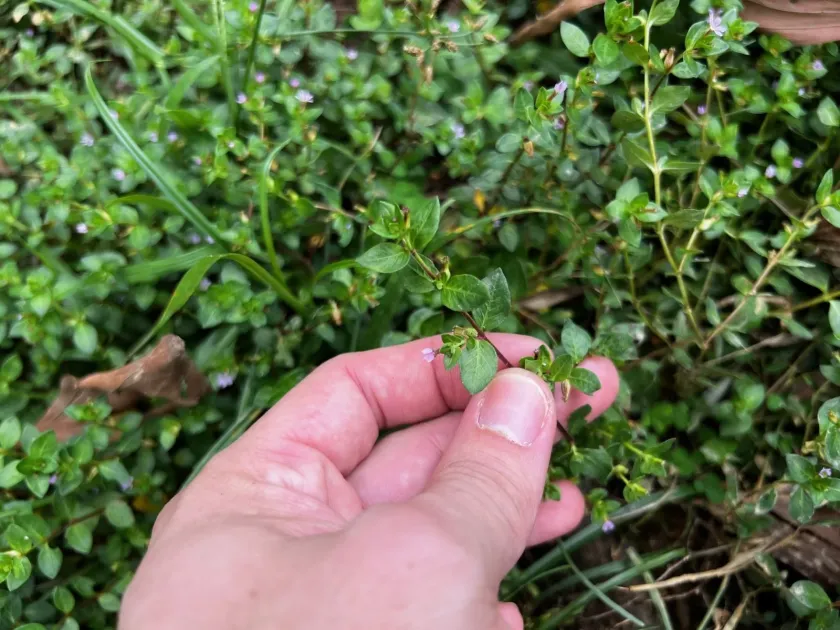
Description
Sowing dates
Sowing Cuphea parsonia requires well-warmed soil, as this crop is heat-loving and extremely sensitive to frost. The optimal time to start sowing is when the soil temperature at the planting depth remains stable above 15 degrees Celsius.
The seeds are sown in rows with a spacing of about 30-45 centimeters, providing the plant with sufficient space for bush development. Fine seeds require shallow planting, no more than 1-2 centimeters deep, otherwise the crop's emergence rate may decrease significantly.
To ensure uniform germination, a sufficient moisture reserve in the topsoil is necessary, which is why pre-sowing rolling is practiced in arid regions. In temperate climates, it is important to select early-maturing varieties to ensure the growing season fits within the warm season.
Adjusting seeding density directly affects productivity: at excessively high densities, plants compete for light and nutrients. The optimal seeding rate is selected based on the laboratory germination of the seeds and the quality of the seedbed preparation.
An important stage is weed control during the initial stages of development, as cuphea grows slowly in the first few weeks. The use of herbicides or mechanical weeding during this period is critical to prevent the suppression of the crops.
Growing requirements
Cuphea parsonia belongs to the Lythraceae family and is of interest as a source of unique medium-chain fatty acids. The crop originates from tropical and subtropical regions of the Americas, which determines its high requirements for cumulative active temperatures.
The plant prefers sunny areas protected from strong winds, as the stems can be quite fragile. Ideal soils for cultivation are fertile loams or light sandy soils with a neutral or slightly acidic pH reaction.
The crop reacts extremely negatively to moisture stagnation in the root zone, so areas with high groundwater levels are not suitable for its cultivation. Ensuring good drainage and soil aeration significantly increases the intensity of photosynthesis and growth rates.
During the period of active flowering and seed formation, cuphea needs regular watering, although water requirements decrease during maturation. Excess nitrogen fertilizers can lead to excessive vegetative mass growth at the expense of generative organs.
The temperature regime is a determining factor: the crop stops growing when the temperature drops below 10 degrees. The optimal development range is 20-28 degrees, making it a promising crop for southern agricultural regions.
Yield
The yield of Cuphea parsonia largely depends on light intensity and pollination conditions, as the plant is entomophilous. Under favorable conditions, seed yield can reach commercially significant levels for the production of specialized oils.
One factor limiting yield is the uneven maturation of seeds on a single plant. This requires careful monitoring of crop status and selection of the optimal moment to start harvesting to avoid losses due to shattering.
Applying modern agricultural technologies, including balanced mineral nutrition with an emphasis on potassium and phosphorus, contributes to increasing the oil content of the seeds. High-quality cuphea seeds are rich in caprylic and capric acids, which are valued in the chemical industry.
Agronomic studies show that selection for maturation uniformity can significantly increase the output of marketable products per hectare. Current yield figures remain a subject of active field trials in various agro-climatic zones.
Cultivation efficiency also depends on preventing lodging, which can reduce the total seed harvest. Following correct agricultural practices allows for a stable yield that justifies the costs of cultivating this technical crop.
Main diseases and pests
The primary threat to cuphea crops comes from pests typical of broad-leaved crops, such as aphids and spider mites. They can spread rapidly in hot and dry weather, sucking juices from young leaves and shoots.
Fungal diseases, which develop in high humidity, include various types of rots and leaf spots. Prevention consists of crop rotation and avoiding over-dense planting, which improves airflow through the canopy.
Root system damage by pathogens often occurs in waterlogged areas, leading to plant wilting during the flowering phase. Treating seeds with fungicides before planting is a standard procedure to protect seedlings from soil-borne infections.
In regions with developed agriculture, cuphea may be affected by specific weeds competing for nutrients. Timely inter-row cultivation helps reduce weed pressure on the crops.
A comprehensive approach to protection, including monitoring insect pests and using biological control methods, helps minimize the chemical load on the field. Healthy and strong plants exhibit increased resistance to negative external factors.
Harvesting
Harvesting Cuphea parsonia is the most critical stage, requiring high qualifications and specialized machinery. Seeds are prone to shattering upon full maturity, so harvesting is often performed in two stages or using desiccation.
An optimal sign of readiness for harvest is the change in capsule color to brown and a significant decrease in seed moisture. At this point, it is crucial not to allow the plants to over-dry to prevent spontaneous shattering of seeds in the field.
Using combines requires precise adjustment of the threshing mechanism to minimize the crushing of fine seeds and losses through the sieves. The speed of the equipment should be moderate for high-quality threshing of the vegetative mass.
After harvesting, the seeds require immediate cleaning and drying to reach the required moisture content in grain dryers. This prevents the spoilage of raw materials and the development of mold fungi during storage in closed containers.
Proper organization of logistics from the field to the storage area preserves the quality of the fatty acid composition of the seeds. The final oil yield depends on how quickly and carefully the post-harvest processing of the collected crop is carried out.