
Cuphea mesostemon
Cuphea mesostemon
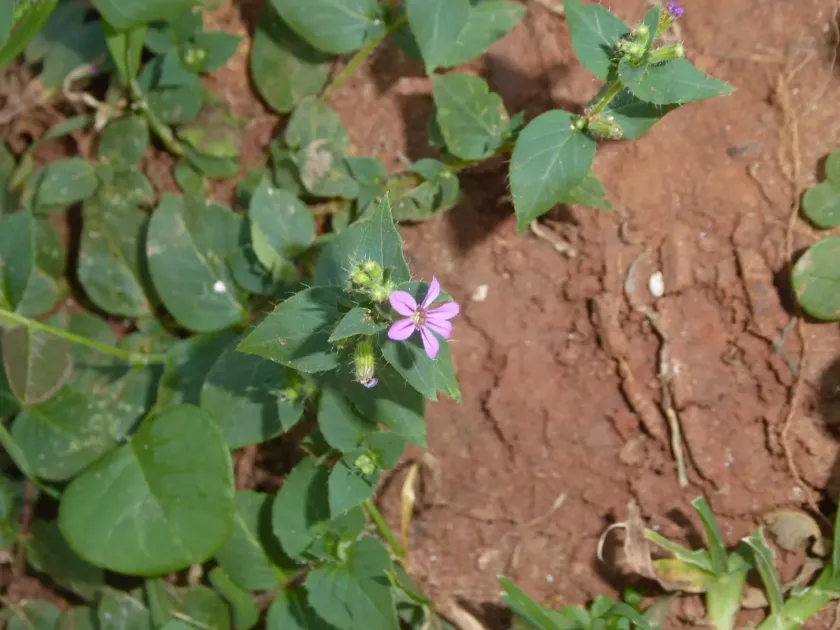
Description
Sowing dates
The sowing period for this crop depends directly on the climatic zone, as the plant is warm-season sensitive. The optimal time for planting is when the soil at the seeding depth warms up to stable temperatures of at least 15 degrees Celsius.
Seeds are sown using row methods, ensuring optimal spacing for each plant to thrive. The seeding depth should be kept minimal, as the seeds require sufficient contact with moist substrate to express high germination energy.
In temperate climates, sowing is conducted in late spring to avoid late frosts, which can be fatal for young seedlings. To ensure uniform emergence, the seedbed must be carefully prepared and kept free of weed competition.
Light intensity is crucial during the germination phase, so dense sowing is not recommended. Achieving uniform plant density is essential for yield consistency, which is managed by precisely calibrating seed drills to the target seeding rate.
Irrigation after sowing is only necessary in cases of critical surface dryness to prevent the formation of a hard soil crust, which might physically prevent sprouts from emerging.
Growing requirements
Cuphea mesostemon belongs to the Lythraceae family and is considered a promising oilseed crop. The plant prefers sunny locations with fertile, well-drained soils that are rich in humus and organic matter.
The crop has specific temperature requirements throughout the entire vegetation period. The optimal temperature range for active growth and biomass accumulation is between 20 and 28 degrees Celsius.
Soil moisture levels should be maintained at 60–70 percent of field capacity. The plant is sensitive to both prolonged waterlogging and severe drought, especially during the flowering and seed-setting stages.
Proper development requires soils with a slightly acidic to neutral pH level. Saline or heavy clay soils are unsuitable for commercial production due to the high risk of inhibiting root system expansion.
Mineral nutrition should be balanced, with a focus on phosphorus and potassium fertilizers, which facilitate the accumulation of high-quality fatty acids within the seeds.
Main diseases and pests
The primary threats to this crop involve fungal infections that thrive under conditions of high humidity and poor airflow within the canopy. The most prevalent diseases include root rot and powdery mildew.
Common pests affecting this family include aphids and spider mites, which can significantly reduce vegetative mass and cause premature bud drop. Monitoring insect populations is mandatory during the active growth phase.
Weed control during early development stages is critical, as the crop lacks competitive vigor against weeds regarding nutrients and sunlight. Herbicides must be used cautiously due to the plant's sensitivity to chemical agents.
Adherence to crop rotation schedules significantly reduces the soil-borne disease pressure. Alternating with cereal crops is recommended to disrupt the life cycles of specialized pests in the agroecosystem.
Timely preventative measures and the use of high-quality, certified seeds remain the most effective strategies for managing disease outbreaks in Cuphea plantations.