
Cuphea serpyllifolia
Cuphea serpyllifolia
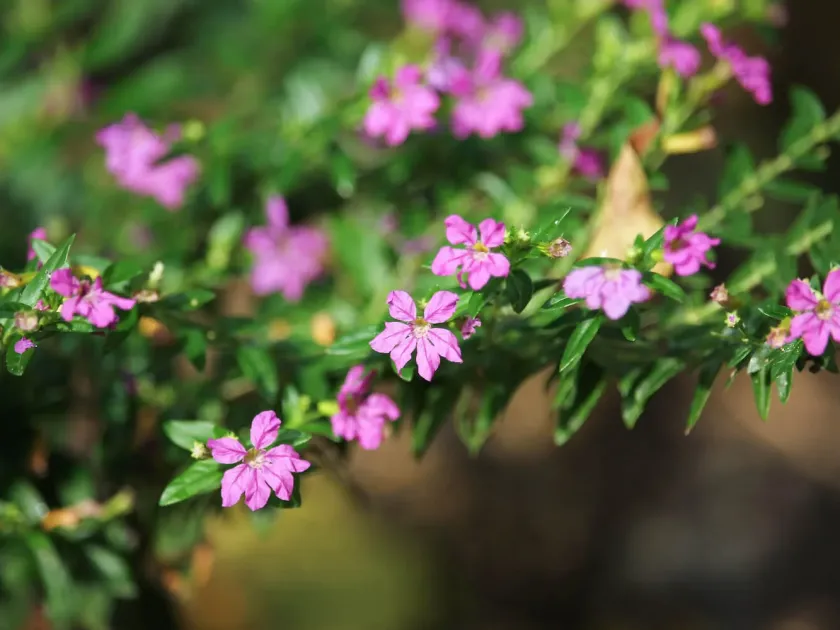
Description
Sowing dates
Sowing Cuphea serpyllifolia requires careful timing as seeds are sensitive to soil temperatures. The best time for planting is late spring, once the risk of frost has passed and the soil has warmed to at least 15-18 degrees Celsius.
Seeds should be sown at a shallow depth, as they require light to germinate effectively. In commercial field production, precision drilling at appropriate row spacings is recommended to facilitate mechanical weeding and ensure uniform plant development.
Consistent moisture is crucial during the germination phase. Farmers should avoid surface crusting, which can impede emergence, by ensuring the seedbed is loose and using light harrowing if necessary before the plants appear.
Starting the crop in trays before transplanting is a viable strategy for shorter growing seasons. This method provides young plants with a head start and ensures they are better established when placed in the open field.
Seeding rates must be calibrated based on seed viability and the target plant population density. High density is encouraged to promote early canopy closure, which acts as a natural suppression mechanism against competitive weed species.
Growing requirements
Cuphea serpyllifolia is a sun-loving plant adapted to warm climates. It thrives in conditions with high light intensity and full exposure to sunlight throughout the day, as shading can lead to stunted growth and poor yield.
The crop requires fertile, well-draining soils with a neutral pH. Waterlogging is a significant risk factor, as the root system is highly susceptible to decay in saturated environments, necessitating good field drainage practices.
Ideal temperatures for active growth range from 20 to 28 degrees Celsius. The plants are sensitive to cold drafts and sudden drops in temperature, making site selection critical for protected, sheltered fields.
Water requirements increase during the flowering and seed development stages. However, irrigation must be managed carefully to avoid excessive air humidity, which can promote fungal growth on the foliage and reproductive parts.
Fertilization management should emphasize phosphorus and potassium to support seed production. An oversupply of nitrogen should be avoided to prevent excessive vegetative growth at the expense of oil-bearing seed yield.
Main diseases and pests
Common pests affecting this crop include aphids and spider mites, which can rapidly colonize fields during hot and dry spells. Integrated pest management strategies, including regular scouting, are essential for control.
Fungal pathogens such as powdery mildew and various root rots pose a threat if field ventilation is inadequate. Maintaining proper spacing and avoiding high humidity around the base of the plants can significantly reduce the incidence of these diseases.
Weed management is most critical during the first month of growth. Because the species grows slowly early on, weeds can easily outcompete it, requiring timely intervention to protect the development of the crop.
Implementing a robust crop rotation plan is the primary method for avoiding soil-borne pathogens. By breaking the cycle of pests and diseases, producers can ensure healthier and more vigorous stands of Cuphea serpyllifolia.
- Aphids (Aphididae)
- Spider mites (Tetranychidae)
- Powdery mildew (Erysiphales)
- Root rot (Various fungal species)