
Cuphea schumannii
Cuphea schumannii
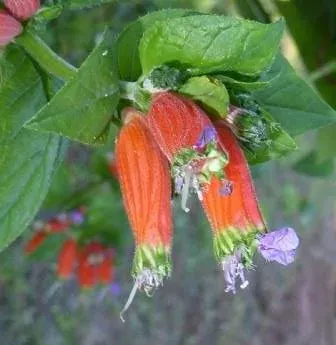
Description
Sowing dates
The propagation of Cuphea schumannii is typically done through seeds sown in late winter or early spring. This allows the plant sufficient time to develop a strong root system and establish before the outdoor planting season begins.
Seeds should be surface-sown on moist, sterile seedling soil and lightly covered. Maintaining a consistent temperature between 20°C and 25°C is essential for successful germination and early development.
Once the seedlings have reached a manageable size, they should be transplanted into individual pots. This practice promotes healthy root growth and prevents the young plants from competing for nutrients and space.
Hardening off the seedlings is a crucial step before moving them to their permanent outdoor location. Gradually acclimatizing the plants to outdoor temperatures helps reduce transplant shock and improves survival rates.
Planting outdoors should occur only after all risks of frost have passed. Space the plants adequately, ensuring there is enough airflow to prevent common issues associated with stagnant or humid environments.
Growing requirements
Cuphea schumannii belongs to the Lythraceae family and thrives in warm, tropical conditions. It requires full sun exposure to maintain its vigorous growth habit and to produce its characteristic floral displays throughout the season.
Well-draining, fertile soil is a requirement for this culture. If the native soil is heavy or prone to waterlogging, it is recommended to incorporate organic matter or grit to improve aeration and drainage capacity.
Consistent moisture is key to the health of the plant. While it appreciates regular watering, it is vital to ensure that the soil does not become saturated, as excess moisture can lead to root rot and other physiological disorders.
Regular fertilization with a balanced liquid fertilizer during the active growing season ensures that the plant has enough energy to maintain its dense foliage and continuous blooming cycle.
The plant is sensitive to cold temperatures and strong winds. Protecting the plant in a sheltered spot will encourage a more robust development and keep the fragile stems from breaking during heavy weather.
Main diseases and pests
Pests such as spider mites and whiteflies are the most common threats to Cuphea schumannii. These insects tend to thrive in dry conditions and can quickly compromise the plant's health if left uncontrolled.
Regular monitoring of the foliage, especially the underside of the leaves, is highly recommended. If an infestation is detected, immediate treatment with appropriate horticultural soaps or systemic insecticides is necessary.
Root rot is a major risk factor if the irrigation schedule is too aggressive. Improving soil structure and ensuring proper drainage can significantly reduce the risk of soil-borne fungal pathogens.
Powdery mildew may occur if the plant is grown in areas with poor ventilation or high humidity fluctuations. Pruning the plant to ensure better air circulation is a simple yet effective preventative measure.
Following good hygiene practices in the garden, such as removing fallen leaves and debris around the base of the plant, will help minimize the presence of diseases and maintain the overall vigor of the culture.