
Cuphea racemosa
Cuphea racemosa
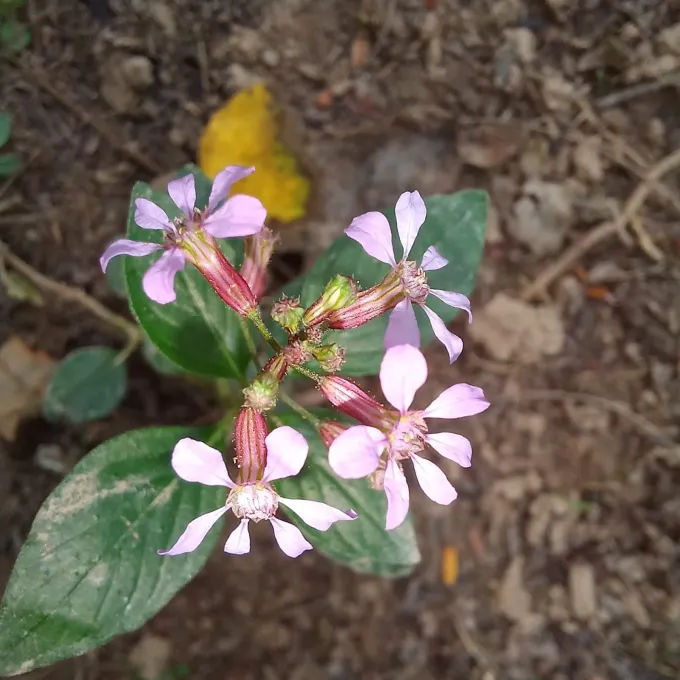
Description
Sowing dates
Cuphea racemosa is a thermophilic plant that requires high soil temperatures for successful germination and early establishment. Sowing should only occur when the risk of spring frost has completely passed.
The ideal planting window typically falls in the second half of May, once soil temperatures at sowing depth consistently stay above 15-18 degrees Celsius. Early planting in cold soils often results in poor stands and susceptibility to soil-borne pathogens.
Given the small size of the seeds, shallow planting depth is mandatory. Seeds should be placed at a depth of 1-2 centimeters, followed by light rolling to ensure good seed-to-soil contact for optimal hydration.
Standardizing seed spacing is essential for crop uniformity. Row spacing generally ranges between 30 and 50 centimeters, which provides sufficient room for mechanical cultivation and weeding during the vegetative stage.
Proper seed bed preparation is crucial; the soil must be fine-textured and free of clods to prevent the seeds from being buried too deeply or drying out prematurely.
Growing requirements
As a member of the Lythraceae family, Cuphea racemosa thrives in warm climates with an optimal temperature range of 20 to 28 degrees Celsius throughout the growing season. The plant stops developing if temperatures drop consistently.
Water requirements are moderate, but consistent moisture is vital during the reproductive stages. While Cuphea shows some drought tolerance, prolonged water stress during flowering significantly reduces yield potential.
The best soil types for this crop are well-draining loamy or sandy soils. Soil pH should ideally be neutral or slightly acidic; extremely alkaline soils may lead to nutrient deficiencies and poor crop performance.
Cuphea requires full sunlight for maximum production. Even moderate shade during the day negatively impacts the number of flowers produced and ultimately limits the total weight of the harvested seeds.
Regular maintenance, including inter-row cultivation, is necessary to manage weeds and maintain soil aeration, ensuring the roots have access to necessary oxygen levels throughout the season.
Yield
Yield performance for Cuphea racemosa is highly dependent on environmental stability and cultural management. In well-managed commercial settings, seed yields can reach between 1.5 and 2 metric tons per hectare.
The crop is highly valued for the chemical composition of its oil, which is rich in medium-chain fatty acids, specifically caprylic and capric acids. This makes it a high-value industrial raw material.
A significant challenge in managing the yield is the asynchronous ripening of the seed capsules. Careful monitoring is required to time the harvest accurately and minimize losses due to natural shattering.
Post-harvest processing often utilizes chemical desiccation to ensure uniform drying of the crop, which simplifies the combine-harvesting process and increases the purity of the collected seeds.
The economic viability of the crop is directly tied to the oil content, which can exceed 35 percent of the total dry seed weight when growing conditions are optimized for the specific variety.
Main diseases and pests
Root rot represents a major threat, particularly in poorly drained soils or during periods of excessive rainfall. Strict crop rotation is recommended to break the cycle of soil-borne diseases.
Pests such as aphids and spider mites are frequent invaders during hot, dry weather. These insects sap the vitality of the plant and can significantly reduce photosynthesis by damaging the foliage.
Fungal infections, such as powdery mildew, may occur in high humidity environments, resulting in the development of a white fungal coating on leaves and stems that weakens the plant.
Integrated pest management strategies are essential, utilizing beneficial insects and selective bio-pesticides to maintain healthy plant populations while minimizing negative impacts on the environment.
Continuous monitoring of crop health is necessary to detect early signs of infestation or disease, allowing for targeted applications rather than widespread prophylactic treatments.