
Cotyledon eliseae
Cotyledon eliseae van Jaarsv.
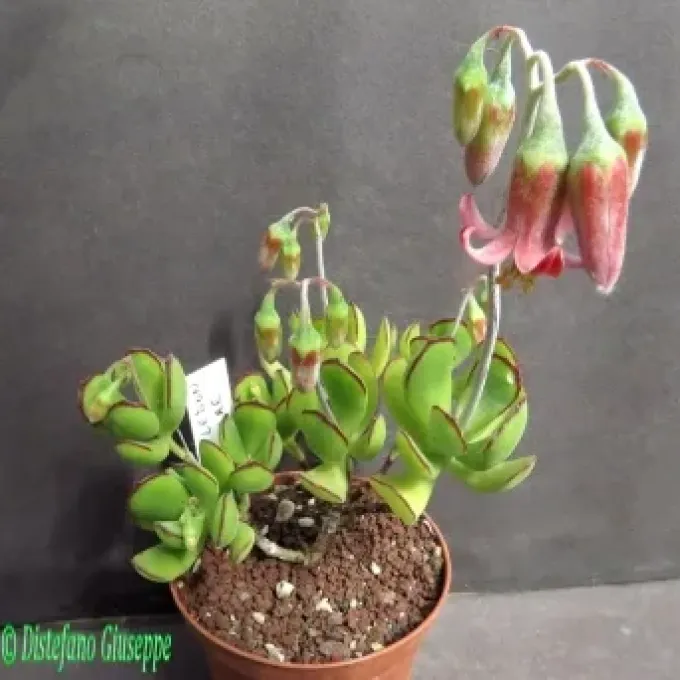
Description
Growing requirements
Cotyledon eliseae is a distinct succulent species belonging to the Crassulaceae family. Native to the arid regions of South Africa, it has evolved to thrive in specialized niches characterized by rocky terrain and limited moisture availability.
The plant exhibits typical succulent morphology, featuring fleshy, wax-coated leaves that serve as a water reservoir. This biological adaptation allows the plant to sustain metabolic functions during extended periods of drought, which are common in its natural habitat.
Successful cultivation requires a highly porous and well-draining mineral-based substrate. Standard potting soils are unsuitable for this species, as they tend to hold too much moisture, which is the primary cause of physiological stress and root death.
In terms of climate requirements, the plant demands high levels of solar radiation to maintain its structural integrity and leaf coloration. It is strictly adapted to dry, bright environments and performs poorly in low-light indoor conditions where it may suffer from etiolation.
The economic value of this culture is rooted in the hobbyist and botanical collection market. Due to its slow growth rate and specific environmental demands, it is considered a premium specimen for dedicated growers who specialize in rare xerophytic flora.
Main diseases and pests
The most significant threat to Cotyledon eliseae is root rot, induced by waterlogging in the root zone. Even short periods of excessive humidity in the soil can lead to the rapid onset of fungal infections that are often irreversible for the plant.
Mealybugs are the most common pests affecting this species, often congregating in leaf axils where they are difficult to detect early. If left untreated, these sap-sucking insects can severely weaken the plant and cause stunted development.
Spider mites represent another persistent threat, especially in environments with poor air circulation and low humidity. Monitoring the underside of leaves and the growth points is essential for early detection of potential infestation sites.
Environmental stress caused by sudden temperature fluctuations or cold, damp conditions often predisposes the plant to secondary infections. Maintaining a consistent, well-ventilated growing environment is the best prophylactic measure against such threats.
Integrated pest management strategies should focus on preventive measures, including regular plant inspections, the use of sterile growth media, and the strict avoidance of overhead irrigation to keep foliage dry and healthy.