
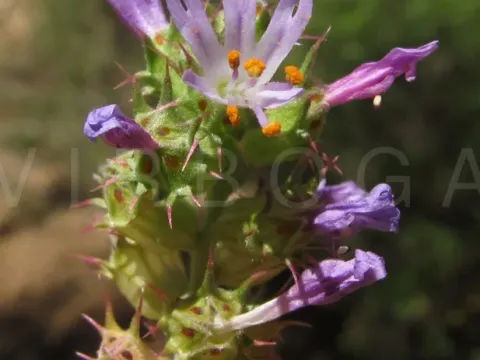
Coris
Coris
The genus Coris belongs to the Primulaceae family and consists of low-growing perennial herbs or subshrubs native to the Mediterranean region.
What the section contains

Coris
Botanically, these plants are known for their narrow, linear leaves and attractive, dense terminal inflorescences that appear during the spring and summer seasons.
Coris thrives in sunny, open locations and requires soil with excellent drainage, as it is highly adapted to rocky or sandy Mediterranean habitats.
Soil pH should ideally be neutral or slightly acidic; poor, sandy soils are preferred over nutrient-rich, heavy soils that retain too much moisture.
As a Mediterranean species, it is not fully hardy in colder regions and should be protected during winter or kept in pots that can be moved indoors.
The most significant threat to Coris cultivation is root rot caused by waterlogged soil, which occurs if drainage is insufficient or if irrigation is too frequent.
Gray mold (Botrytis) can develop on the foliage in humid, poorly ventilated conditions, leading to necrosis of the leaves and stems.
Spider mites are common pests that may infest the plants when they are grown in dry indoor conditions or sheltered spots without adequate airflow.
Aphids can occasionally attack the tender buds, resulting in stunted development and poor flowering if not managed promptly with standard horticultural soaps.
To ensure healthy growth, maintain a strict dry-down period between waterings and monitor the plants regularly for any early signs of pest activity or rot.