
Conophytum quaesitum
Conophytum quaesitum
Description
Growing requirements
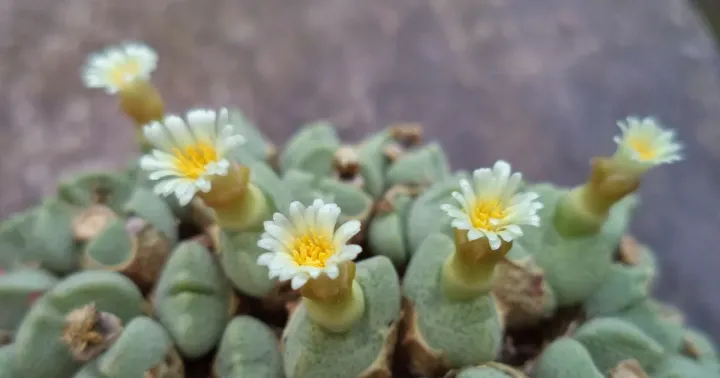
Conophytum quaesitum is a fascinating succulent species belonging to the Aizoaceae family, native to the arid rocky landscapes of Southern Africa. These plants have evolved to survive in extreme conditions by forming specialized leaf pairs that store moisture.
Cultivation requires a highly mineralized, well-draining substrate. A mix consisting of coarse sand, perlite, and a small portion of loam or potting soil is essential to prevent water stagnation, which is critical for root health.
These plants thrive in bright, filtered light. While they enjoy sunlight, intense midday exposure in artificial conditions can lead to sunscald, making partial shading necessary during the hottest months of the year.
Temperature management is crucial: they prefer warm conditions during the growing season and cooler temperatures, ideally between 10°C and 15°C, during their dormant phase in the winter months.
Watering must follow a strict seasonal cycle. Providing water only during the active growing phase and allowing the substrate to dry out completely between waterings is the key to maintaining a healthy specimen.
Main diseases and pests
Root rot is the primary threat to Conophytum quaesitum, typically triggered by improper irrigation or poor drainage. Once established, fungal infections spread rapidly through the soft tissues.
Mealybugs are the most common pests, often sheltering in the crevices between the leaf pairs. Regular manual inspection and the use of systemic insecticides are standard measures for effective pest management.
Spider mites can also be problematic if the indoor environment is excessively dry and lacks airflow. Maintaining proper ventilation helps prevent mite infestations and promotes healthier growth.
Bacterial rot can occur during the leaf-shedding process if moisture remains trapped in the old sheath. It is vital to ensure that the environment remains dry while the new growth is breaking through the old layer.
To ensure a healthy collection, always use sterilized potting mix and isolate any new arrivals to prevent the accidental introduction of pathogens or pests to established plants.