
Conophytum friedrichiae
Conophytum friedrichiae
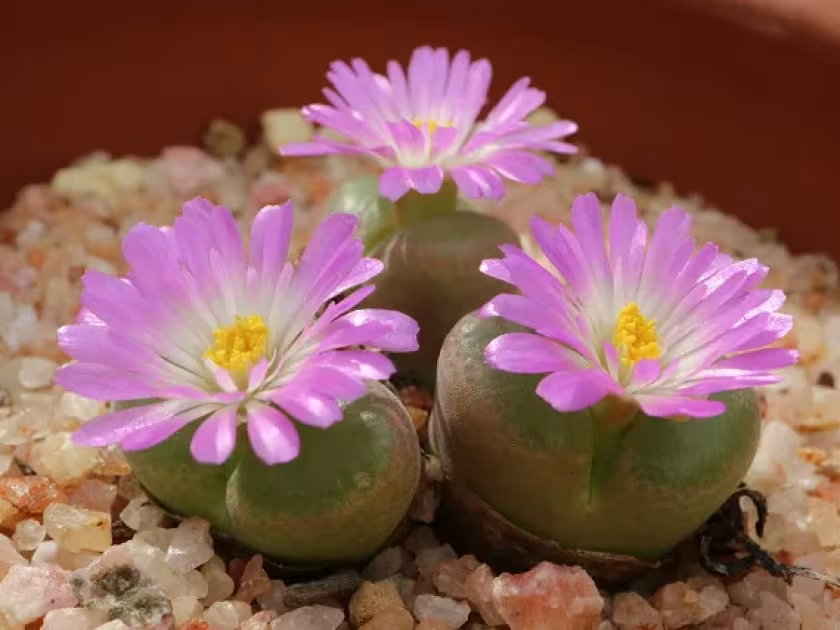
Description
Growing requirements
Conophytum friedrichiae is a fascinating succulent member of the Aizoaceae family, native to the arid regions of Southern Africa and Namibia. It is highly adapted to thrive in harsh, desert-like environments where rainfall is scarce.
The plant features a distinct botanical structure composed of fleshy, fused leaves that form a small, pebble-like body with a central fissure. This morphological adaptation is essential for water storage and survival in intense heat.
Optimal cultivation requires a highly porous, mineral-based substrate that mimics the plant's natural rocky habitat. A mix of pumice, coarse sand, and a minimal amount of inert grit is considered the gold standard for this species.
This culture demands high levels of bright, indirect sunlight throughout the growing season to maintain its compact habit. Inadequate light results in etiolation, which weakens the plant's cellular structure.
Climate requirements involve distinct seasonal cycles: a warm growing season followed by a cool, dry dormant period. Maintaining temperatures between 10 and 15 degrees Celsius during dormancy is critical for the plant's health.
Main diseases and pests
Excessive moisture is the primary threat to Conophytum friedrichiae, frequently causing rot in the roots and the main body. Proper irrigation strategy, avoiding water during dormancy, is essential to prevent physiological failure.
Mealybugs are the most common pest that infiltrates the central fissure of the plant, feeding on succulent tissues. Regular inspection and the use of systemic insecticides are necessary to manage potential infestations.
Root aphids pose an invisible threat, often going unnoticed until the plant shows signs of severe decline. Utilizing preventive soil treatments and maintaining clean growing conditions helps mitigate this risk.
Fungal pathogens such as Fusarium can become prevalent if humidity remains too high and airflow is insufficient. Proper ventilation and avoiding water contact with the plant's body are effective prevention strategies.
Spider mites can occasionally affect the plant in very dry conditions, causing discoloration of the epidermis. Keeping an eye on the surface texture helps identify early signs of these pests before they spread.