
Conophytum longum
Conophytum longum
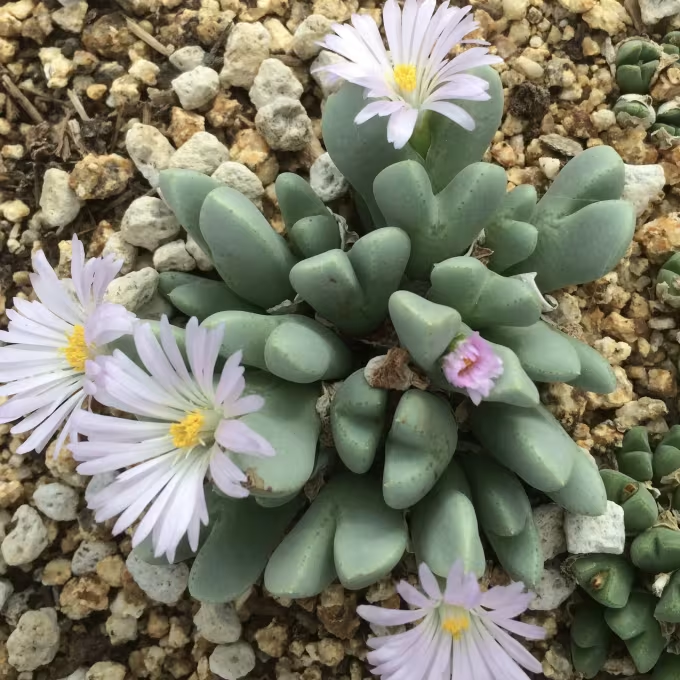
Description
Sowing dates
Propagation of Conophytum longum is primarily performed through seed sowing during the autumn months, which aligns with the plant's natural growth cycle in its native South African habitat. Seeds should be placed on a sterile, well-draining mineral substrate.
To ensure successful germination, the environment must be kept at a steady temperature between 15 and 20 degrees Celsius. High humidity levels are required during the initial stages, typically maintained by covering the sowing containers with transparent material.
Seedlings exhibit extremely slow growth rates and require patience; they should not be transplanted until they have fully established themselves, usually after the first year. Careful handling of the root system is critical to prevent shock and ensure survival.
Vegetative propagation via the division of clusters is also possible for mature plants. When dividing, it is essential to ensure that each segment has an adequate root structure and to allow the cut surfaces to callous over for several days before potting.
Belonging to the Aizoaceae family, Conophytum longum is an exceptional example of specialized desert flora. In a horticultural context, it is treated as a premium collection plant requiring precise environmental control to maintain its unique morphology.
Growing requirements
The plant thrives under intense, filtered sunlight, which encourages compact growth and prevents etiolation. Direct midday sun in summer can be harsh, so protection or light shading during the hottest parts of the day is recommended.
The growing medium must provide excellent drainage, consisting primarily of fine grit, sand, and minimal organic matter. Soil moisture should never persist, as standing water is fatal to the delicate tissues of the succulent.
A rigorous seasonal watering cycle is essential: frequent, light watering is provided during the active growing season (autumn to spring), while a complete dry rest period is mandatory during the summer months to simulate dormancy.
Adequate air circulation is vital for the health of Conophytum longum, as stagnant air increases the risk of fungal growth and pests. Proper ventilation also aids in temperature regulation during warmer periods.
Winter care requires cool, dry conditions with protection from freezing temperatures. Maintaining these environmental parameters ensures that the plant successfully completes its annual leaf regeneration cycle.
Main diseases and pests
Root rot, caused by fungal pathogens in overly moist soil, represents the primary threat to the crop. The best prevention strategy involves using systemic fungicides and strictly adhering to the seasonal watering schedule.
Pests such as mealybugs and root aphids can hide between the succulent lobes, causing significant damage if left untreated. Regular inspection is necessary, and the use of systemic insecticides is often required to eradicate established infestations.
Spider mites may affect the plant under conditions of dry, stagnant air, leading to surface blemishes. Regular misting or increasing airflow can mitigate this risk and keep the plant's epidermis in peak condition.
Infection risks are significantly reduced when using high-quality, sterilized substrates and maintaining clean growing environments. Careful removal of dead leaf remnants helps prevent the development of opportunistic fungi.
Physiological stress, such as splitting leaves, is often a response to sudden changes in humidity or watering frequency. Maintaining a consistent and predictable care regimen is the key to minimizing these issues and fostering robust plant growth.