
Conophytum calculus
Conophytum calculus
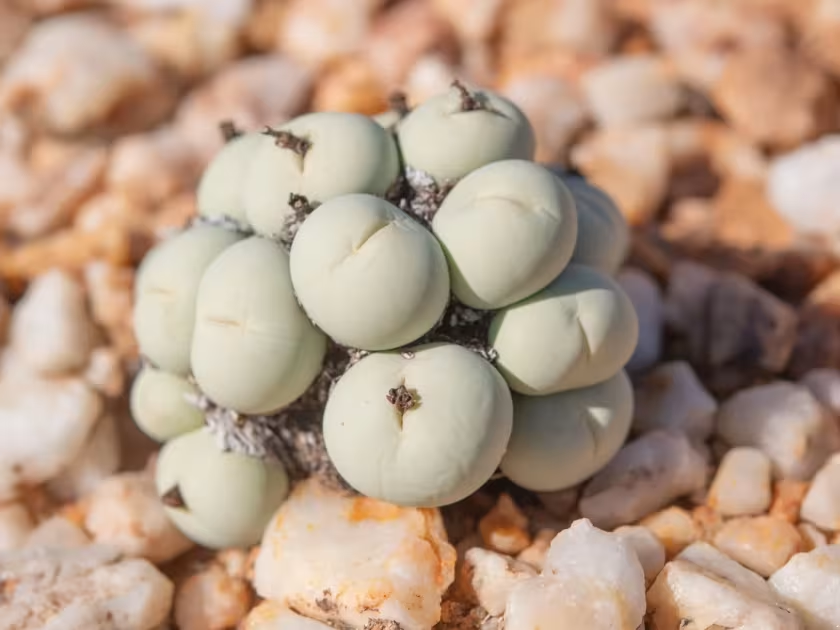
Description
Sowing dates
Propagation of Conophytum calculus from seeds is a rewarding process that requires attention to detail and patience from the grower.
Sowing should ideally occur in early spring when the rising sunlight provides natural stimulation for seed germination and initial growth.
The seeds are tiny and should be scattered over a fine-textured, grit-based substrate, then pressed lightly without being buried deep.
Maintaining high humidity with a clear cover is essential for the first few weeks, gradually introducing ventilation as seedlings develop.
Seedlings remain small and delicate for a long time, so they should be kept in a protected environment until they reach maturity.
Growing requirements
Conophytum calculus is a remarkable member of the Aizoaceae family, well-known for its compact, stone-like appearance which serves as a camouflage.
Native to the arid regions of Southern Africa, these plants have adapted to survive in extreme habitats with minimal water availability.
They thrive in bright, filtered light and require a very mineral-rich, porous soil mix to prevent water stagnation around the root zone.
The agricultural cycle of this plant is governed by an intense summer dormancy, during which water must be completely withheld to mimic their dry climate.
Active growth typically resumes in autumn, when cooler temperatures and increased humidity trigger the development of new leaves and flowering.
Main diseases and pests
Overwatering is the primary cause of failure in cultivating Conophytum calculus, leading rapidly to root rot and collapse of the succulent body.
Mealybugs are the most common pests, often sheltering in the cleft between the leaves where they are difficult to detect during early stages.
Spider mites may infest the plant if the ambient air is excessively dry, causing unsightly pitting and damaging the plant's surface.
Fungal pathogens flourish in stagnant, humid environments, posing a significant threat to plants kept without adequate air movement.
Preventative measures include maintaining excellent drainage, ensuring good ventilation, and keeping the plant dry during its resting phase.