
Conophytum herreanthus
Conophytum herreanthus
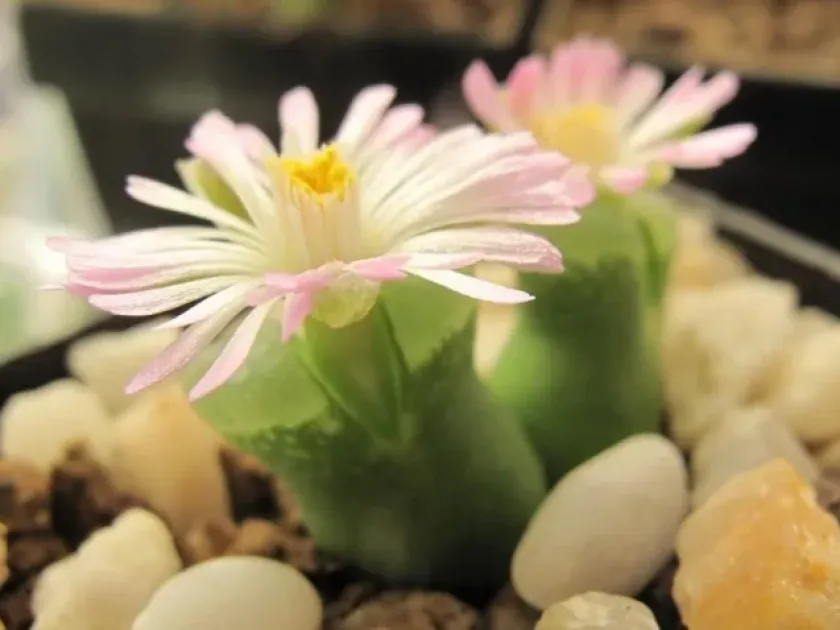
Description
Sowing dates
Propagation of this crop is typically achieved through seeds or division of mature clumps during the active growing season. Seeds should be sown in a light, mineral-based substrate consisting of sand and fine grit in late winter or early spring.
Surface sowing is recommended as seeds require light to germinate effectively. The substrate surface must be kept consistently moist until germination is complete, after which humidity levels should be gradually reduced.
The optimal germination temperature range is 20-22 degrees Celsius. Once seedlings emerge, provide ample ventilation to prevent damp-off and other fungal pathogens from affecting the young sprouts.
Transplanting should not occur until at least one year after germination, allowing the root system to develop adequately. Handle seedlings with extreme care to avoid damaging the delicate roots during the process.
Use pots with wide drainage holes to facilitate efficient water drainage, which is paramount for the health and longevity of these plants.
Growing requirements
Conophytum herreanthus belongs to the Aizoaceae family and is a miniature succulent native to the arid regions of Southern Africa. These plants are perfectly adapted to harsh, low-rainfall environments.
Cultivation requires bright, indirect sunlight throughout the year. During summer months, some shade is beneficial during the hottest part of the day to prevent epidermal scorching.
The growing medium must be highly permeable and nutrient-poor, typically comprising sand, perlite, and fine gravel. High organic matter content should be avoided to prevent root rot.
Watering must be strictly regulated: moderate amounts during the growth phase and virtually no water during the winter dormancy period. Excessive moisture is the primary cause of plant loss.
Good air circulation is essential for the plant to thrive, as it assists in moisture regulation within the leaf tissues and helps maintain the plant's natural compact shape.
Main diseases and pests
Root mealybugs are a significant pest that can severely damage the root system. Their presence is often detected only when the plant begins to show signs of decline.
Spider mites can become problematic in low-humidity environments, leading to unsightly scarring on the epidermis of the plant's succulent bodies.
Fungal infections, primarily root rot, are common when the plant is overwatered or kept in stagnant, humid air, especially during the dormant season.
Bacterial soft rot can destroy the plant rapidly if water collects between the leaf fissures, creating an environment favorable for rapid tissue decay.
- Routine inspection of the root zone.
- Application of systemic pesticides when pests are detected.
- Strict adherence to the dry winter dormancy cycle.
- Avoidance of top-watering to keep the leaf surfaces dry.