
Conophytum flavum
Conophytum flavum
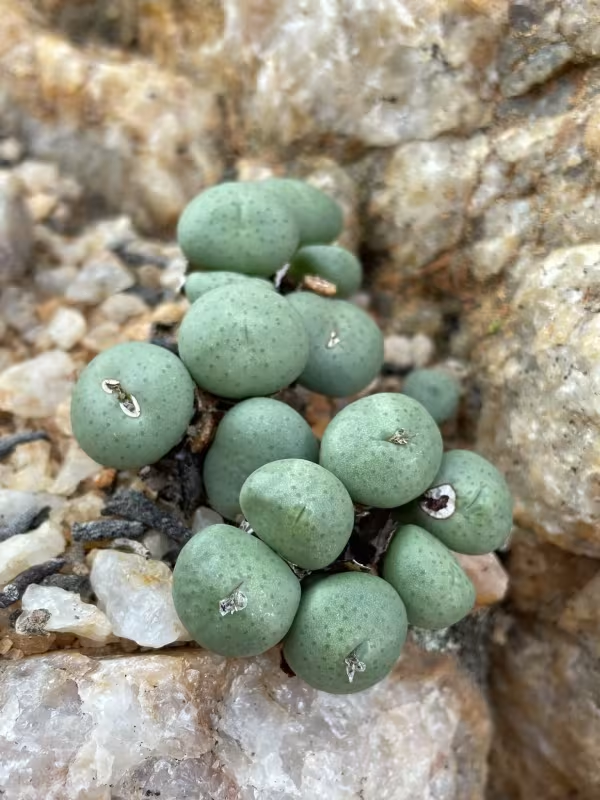
Description
Growing requirements
Conophytum flavum is a distinctive species within the Aizoaceae family, native to the arid regions of South Africa. As a miniature succulent, it has evolved to thrive in rocky crevices where moisture and nutrients are scarce, making it a specialized plant for collectors.
The plant requires bright, indirect light to maintain its compact, hemispherical shape. Intense, direct sunlight during the peak of summer can cause surface scorching, so light shading is recommended to preserve the integrity of the succulent leaves.
Soil composition is the most critical factor for success. A highly porous medium is required, typically composed of 70% inorganic materials such as pumice, grit, and coarse sand, with the remainder being a low-nutrient organic potting soil.
Watering must strictly follow the plant's seasonal cycle. Growth occurs primarily during the autumn and spring, during which light watering is necessary. During the hot summer and dormant winter periods, the plant should be kept almost entirely dry.
Temperature control should mirror the natural climate of the Succulent Karoo. While the plant can tolerate short periods of heat, it thrives best with cooler night temperatures. Providing good air circulation is essential to prevent physiological distress.
Main diseases and pests
Root rot is the primary cause of mortality in Conophytum flavum. It is almost always a result of poor drainage or watering during the dormant season, which prevents the roots from recovering properly.
Mealybugs are the most common insect pests, often hiding deep within the fissure of the plant body. Manual removal with a cotton swab dipped in isopropyl alcohol is an effective non-toxic treatment for minor infestations.
Red spider mites may appear during periods of extremely low humidity and poor ventilation. Regular inspection of the plant's surface for discoloration or webbing can help detect these pests before they cause permanent damage.
Fungal pathogens can enter through micro-cracks in the epidermis if humidity remains too high for an extended period. Maintaining a dry exterior and ensuring sufficient airflow are the best preventative measures.
Lack of light causes etiolation, where the plant loses its natural aesthetic and becomes structurally weak. If etiolation occurs, gradual exposure to brighter conditions is needed, as sudden changes can cause severe tissue trauma.