
Conophytum praesectum
Conophytum praesectum
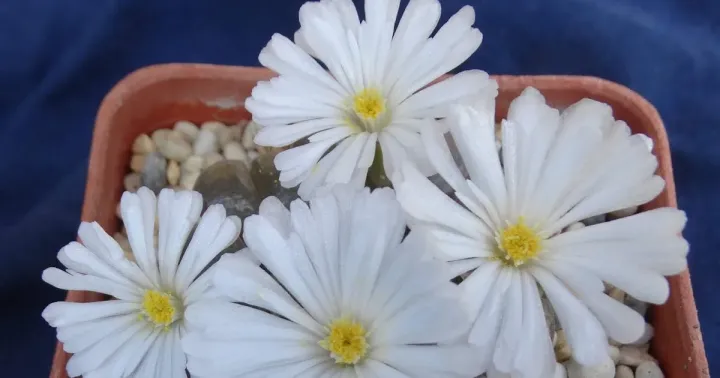
Description
Sowing dates
Sowing Conophytum praesectum seeds should be timed to match the natural growing season, which typically begins in late summer. This timing ensures that the seedlings have enough time to establish their root systems before the next dormant period.
The seeds are exceptionally small and should be sown on the surface of a fine, sterilized, mineral-based substrate. Press the seeds gently into the growing medium to ensure good contact without burying them too deeply.
Maintain high humidity during the germination phase by covering the container with glass or plastic. A consistent temperature of around 20 degrees Celsius is optimal for success. Germination usually occurs within a few weeks.
Once seedlings have emerged, gradually introduce fresh air by removing the cover incrementally. Avoid direct sunlight at this stage, as delicate seedlings can easily dehydrate or scorch under intense light.
Water the seedlings using a fine misting spray rather than pouring water directly. Allow the surface to dry slightly between waterings once the plants have developed their first set of mature succulent leaves.
Growing requirements
Conophytum praesectum belongs to the Aizoaceae family, commonly referred to as living stones or pebble plants. Native to the arid regions of South Africa, it has evolved to survive in extremely harsh, sun-drenched environments.
The botanical structure consists of two leaves fused into a single succulent body, featuring a fissure through which the flowers emerge. The outer skin is highly adapted to prevent moisture loss, reflecting the plant's strategy for surviving droughts.
Light requirements are high, but protection from intense, direct midday sun is necessary, especially in greenhouse conditions. Good air circulation is vital to prevent the accumulation of heat and to maintain the plant's health.
The soil must be inorganic, highly porous, and free-draining. A typical mix includes crushed gravel, sand, and perlite, with very little or no organic matter to avoid the risk of rot and fungal infections.
The watering regime is strictly seasonal: water only during the growing season and keep completely dry during the summer dormancy. Failure to follow this cycle will result in the plant failing to bloom or, worse, dying from rot.
Main diseases and pests
The most significant threat to Conophytum praesectum is overwatering, which causes the bodies to burst or the roots to rot. Once root rot begins, it is often irreversible, necessitating precise management of moisture.
Mealybugs are the primary pest concern, often lodging in the central fissure where they are difficult to spot. Early detection through regular inspections and manual removal or insecticidal treatment is essential.
Red spider mites may appear if the ambient air is excessively dry for a prolonged period. These mites cause stippling on the skin, which ruins the aesthetic value and weakens the plant's immune system.
Prevention focuses on maintaining good airflow and ensuring the substrate dries out completely when the plant is not in active growth. Proper hygiene in the growing space reduces the risk of pathogens significantly.
- Avoid water accumulation in the central fissure.
- Use mineral-based potting mixes.
- Quarantine new plants to prevent pest outbreaks.