
Conophytum minimum
Conophytum minimum
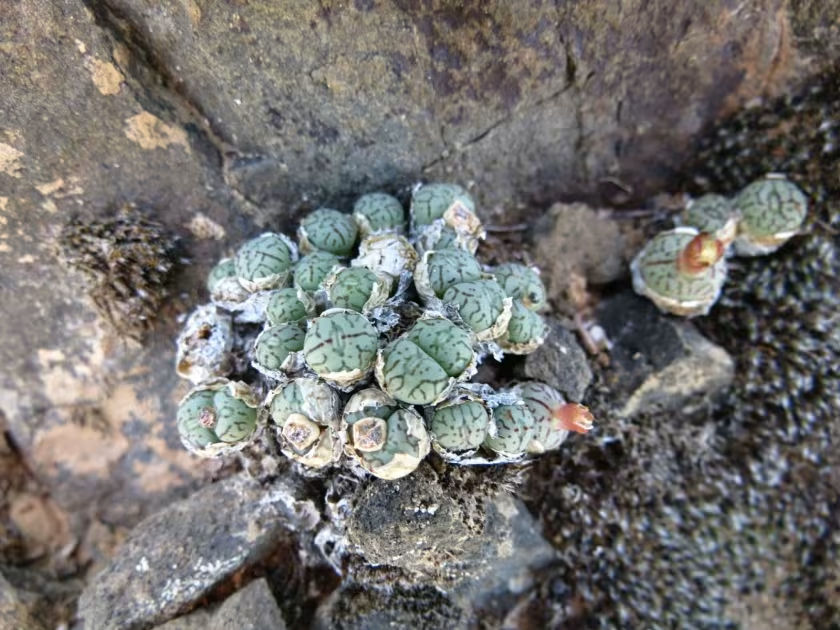
Description
Sowing dates
Propagating Conophytum minimum is best achieved through seeds, ideally sown in late winter or early spring. Consistent temperatures of 20–25 degrees Celsius are necessary for successful germination.
Seeds should be placed on the surface of a sandy, well-draining substrate. Because they are tiny, they should not be buried deeply but rather lightly pressed into the growing medium.
A plastic cover or glass sheet should be used to maintain high humidity during the initial germination stage. Daily ventilation is required to prevent fungal growth on the substrate surface.
Once seedlings emerge, they require bright, indirect light. Direct sunlight at this early stage will easily damage the succulent tissue of the young plants.
Transplanting into individual pots should be delayed for at least a year. Allowing the seedlings to remain in the community pot helps them develop a more robust root system.
Growing requirements
Conophytum minimum is a fascinating succulent from the Aizoaceae family, native to the arid landscapes of Southern Africa. It is prized for its small, compact, and often spherical appearance.
The substrate must be extremely porous and mineral-based. A mix of sand, perlite, and a small amount of grit ensures excellent drainage and prevents the roots from sitting in stagnant water.
This species follows a distinct growth cycle, with a dormant period in summer. During this time, the plant relies on stored moisture, and irrigation should be avoided entirely.
High light levels are essential to prevent etiolation. However, intense midday sun should be filtered, especially in greenhouses, to prevent unsightly burns on the plant surface.
Cooler temperatures during the winter months are crucial for the health of the plant. A drop to 10–12 degrees Celsius helps trigger the natural growth cycle for the following season.
Main diseases and pests
The most significant threat to Conophytum minimum is overwatering. Excessive moisture leads to rotting of the root system and the succulent body, which often proves fatal.
Mealybugs are common pests that tend to hide in the fissure between the leaf lobes. Regular inspection and the use of systemic insecticides are effective measures to control them.
Poor ventilation can lead to fungal infections, especially during humid weather. Maintaining a good airflow around the pots helps to mitigate these risks significantly.
Spider mites can be a problem in dry, stagnant air conditions. If detected, the plant should be treated immediately with an appropriate miticide to prevent spread.
Preventative maintenance includes keeping the growing area clean and avoiding any standing water around the base of the plant. Healthy specimens are generally resistant if provided with proper care.