
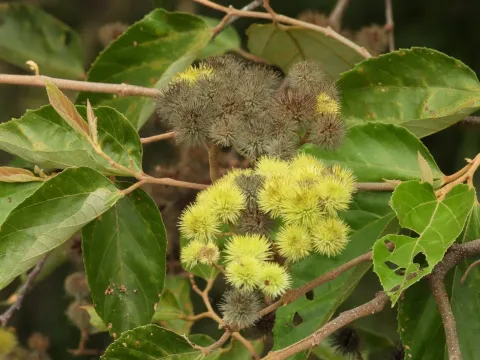
Commersonia
Commersonia
Commersonia is a genus of flowering plants belonging to the family Malvaceae. These species are primarily native to Australia and parts of Southeast Asia, where they thrive in diverse ecological niches ranging from coastal scrublands to tropical rainforest edges.
What the section contains


Commersonia
The plant requires a warm, temperate, or tropical climate to reach its full potential. It is sensitive to severe frost, which can cause significant damage to the canopy; therefore, it is best suited for regions with stable weather conditions and high ambient humidity.
Soil requirements for Commersonia involve well-drained, fertile substrates that allow for proper aeration of the roots. Heavy clay soils are generally unsuitable unless amended with organic matter or grit to improve drainage and prevent root rot.
Agricultural management includes monitoring moisture levels, particularly during the early stages of plant development. Mulching the area around the base of the trunk helps retain essential soil moisture while suppressing weed growth in the immediate vicinity.
Pruning is an essential agrotechnical practice for Commersonia. It helps maintain the desired shape and encourages dense branching, which enhances the aesthetic value of the plant in both landscape and potential plantation settings.
Commersonia is generally considered a hardy genus; however, it can be susceptible to common pests such as aphids and scale insects, especially when grown in non-native environments or greenhouses with poor ventilation.
Fungal diseases related to excessive moisture, such as leaf spot or root rot, are the most significant threats to the health of the plants. Effective disease control relies on preventive measures, including proper spacing and maintaining optimal drainage.
Environmental stress, particularly prolonged drought or waterlogging, can weaken the plant's natural defenses, making it more prone to infestations. Regular monitoring of the foliage and root zone is recommended for early detection of potential issues.
When cultivated in intensive systems, integrated pest management (IPM) practices are encouraged to minimize the use of synthetic chemicals. Utilizing beneficial insects can often manage pest populations without harming the plant's delicate ecological balance.
Proper sanitation, including the removal of dead or infected branches, is crucial to prevent the spread of pathogens. Keeping the growth environment clean and ensuring adequate airflow are the best strategies for a healthy Commersonia crop.