
Cola cordifolia
Cola cordifolia
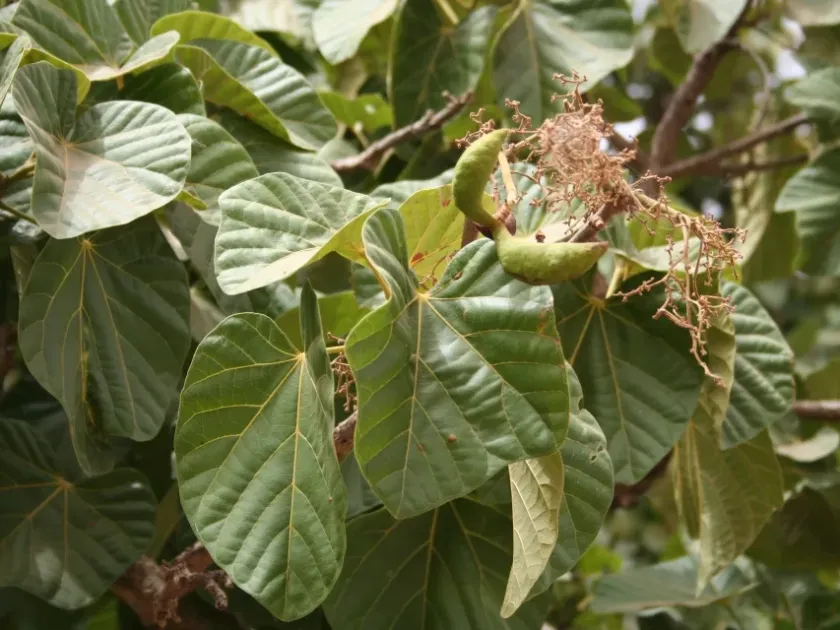
Description
Growing requirements
Cola cordifolia is a robust tree species belonging to the Malvaceae family, native to the tropical forests of West and Central Africa.
The plant thrives in humid tropical environments characterized by high annual precipitation and consistently warm temperatures throughout the growing season.
Successful cultivation requires deep, fertile, and well-drained soils, as the root system of this species is highly sensitive to waterlogging and soil compaction.
Botanically, the tree is recognized by its distinct cordate (heart-shaped) leaves and its ability to achieve significant heights in favorable conditions.
Optimal growth is observed in sites providing partial shade for younger trees, transitioning to full exposure as the canopy develops and the plant matures.
Yield
The primary agricultural output of Cola cordifolia consists of seeds obtained from its fruit pods, which are highly valued for their stimulating alkaloids.
Besides the seeds, the timber is utilized for various construction purposes, esteemed for its durability and resistance to many tropical insect species.
Local communities have historically utilized extracts from the leaves and bark in traditional medicine to address various physical ailments and fatigue.
Harvesting strategies are adjusted based on the physiological state of the pods to ensure maximum caffeine content and quality of the stored seeds.
Sustainable production involves periodic thinning of the canopy and organic fertilization to maximize annual yield without compromising soil fertility.
Main diseases and pests
Fungal pathogens remain the primary threat to Cola cordifolia, specifically those targeting the fruit pods during seasons of excessive humidity.
Stem borers pose a serious risk to mature trees, as they penetrate the bark and internal structure, causing structural instability and decline.
Pest infestations such as weevils directly impact the seeds, necessitating rigorous post-harvest inspection and storage protocols to minimize losses.
Improper spacing in large-scale plantations often results in poor air circulation, which exacerbates the spread of foliar diseases among the population.
Early identification of pest-infested trees and swift removal of symptomatic plant material are essential to maintaining the long-term health of the grove.