
Commersonia fraseri
Commersonia fraseri
Description
Growing requirements
Commersonia fraseri is a hardy, fast-growing shrub belonging to the Malvaceae family, native to the diverse rainforest and forest edges of eastern Australia.
This species thrives in well-draining, nutrient-rich soils and demonstrates a remarkable ability to colonize disturbed sites, making it an excellent candidate for ecological restoration projects.
The plant prefers temperate to subtropical climates and requires consistent soil moisture to achieve its maximum growth potential, especially during the establishment phase.
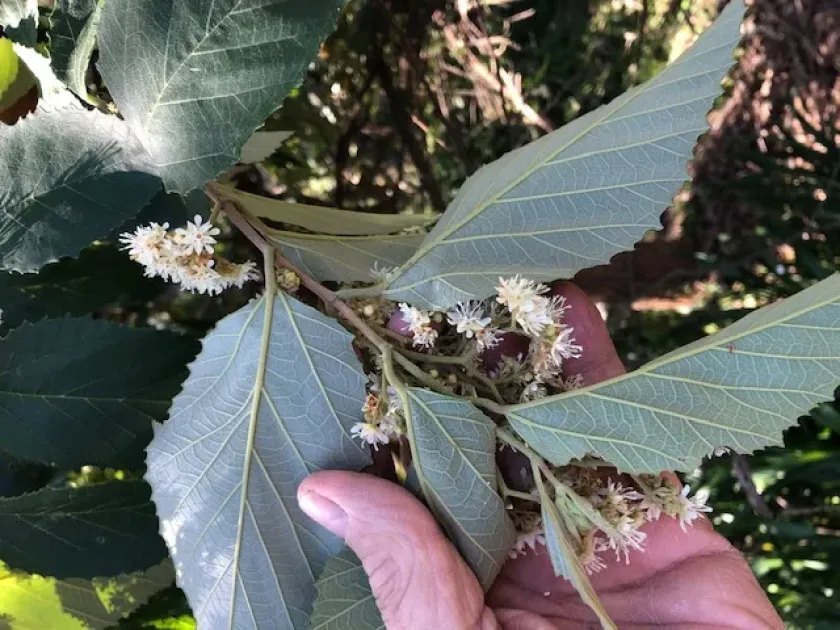
Botanically, it is recognized by its heart-shaped leaves with distinct serrated edges and a silvery, hairy underside, which adds significant visual texture to its foliage.
Beyond its ecological utility, Commersonia fraseri is used in modern landscaping for its resilience and its ability to act as a pioneer species that prepares the soil for secondary plant succession.
Main diseases and pests
The primary threat to the health of Commersonia fraseri is waterlogging, which often leads to root rot and fungal infections, particularly in heavy clay soils with poor drainage.
While generally pest-resistant, the plant can occasionally suffer from infestations of aphids or caterpillars that target succulent new growth during the spring season.
Effective management includes maintaining a dry collar around the base of the stem and ensuring sufficient airflow throughout the canopy to prevent fungal pathogens.
During prolonged dry spells, the plant may show signs of wilting, which can weaken its natural defense mechanisms and make it more susceptible to opportunistic secondary pests.
Regular monitoring of foliage color and leaf integrity is recommended to ensure the plant remains vigorous and free from systemic stress factors.