
Coleus thyrsoideus
Coleus thyrsoideus
Description
Growing requirements
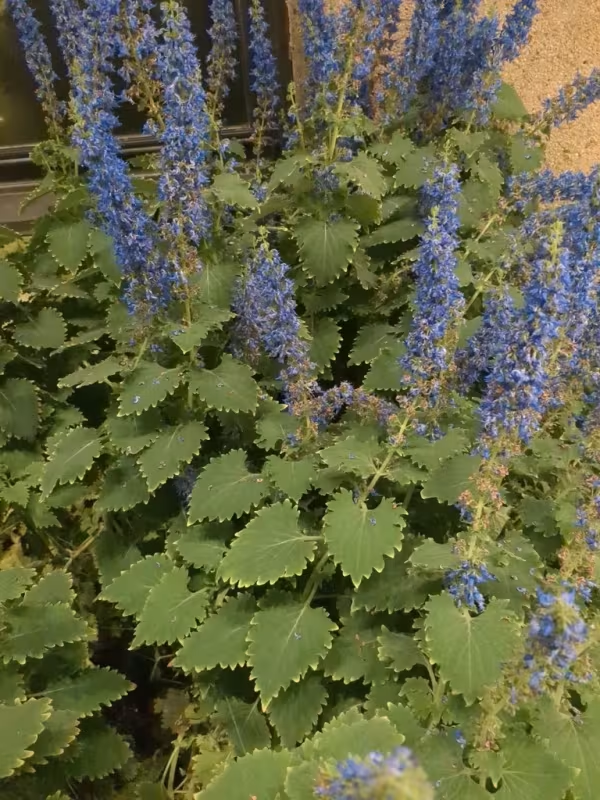
Coleus thyrsoideus belongs to the Lamiaceae family and is recognized for its unique, intense blue flower spikes. Native to the tropical regions of East Africa, this species thrives in environments that replicate its natural habitat, requiring careful temperature and moisture control to flourish.
Botanically, it is characterized by its upright growth, reaching heights of up to one meter. The leaves are ovate or lanceolate with serrated margins and a pubescent texture. The most distinctive feature is the thyrse-like inflorescence, which produces brilliant blue flowers, setting it apart from more common foliage-focused coleus varieties.
The plant requires bright, indirect light to maintain its vibrant growth and flowering capabilities. Intense direct sunlight should be avoided as it can cause leaf scorching. Ideally, the ambient temperature should be kept between 18°C and 24°C, and the plant must be protected from cold drafts and sudden thermal fluctuations.
Cultivation requires a well-draining, nutrient-rich potting medium. A mix that provides adequate moisture retention while ensuring excess water can drain away is essential for root health. Overwatering is a primary cause of plant failure, leading to root rot and other physiological issues, so careful irrigation is paramount.
Regular maintenance practices include pinching back the stems to encourage bushier growth and deadheading the spent inflorescences. During the active growing season, application of a balanced liquid fertilizer every two weeks promotes vigor. Propagation is typically achieved through stem cuttings, which root readily in water or a moist medium.
Main diseases and pests
The plant is susceptible to common greenhouse and indoor pests, particularly spider mites, aphids, and mealybugs. These insects often thrive in warm, dry environments and can quickly weaken the plant if left unchecked. Regular inspection of the undersides of the leaves is advised for early detection.
Fungal issues, such as grey mold (Botrytis) and root rots, are significant threats often triggered by high humidity levels and poor airflow. Managing these risks involves ensuring adequate space between plants, maintaining good air circulation, and avoiding overhead watering that keeps the foliage wet for extended periods.