
Coleus efoliatus
Coleus efoliatus
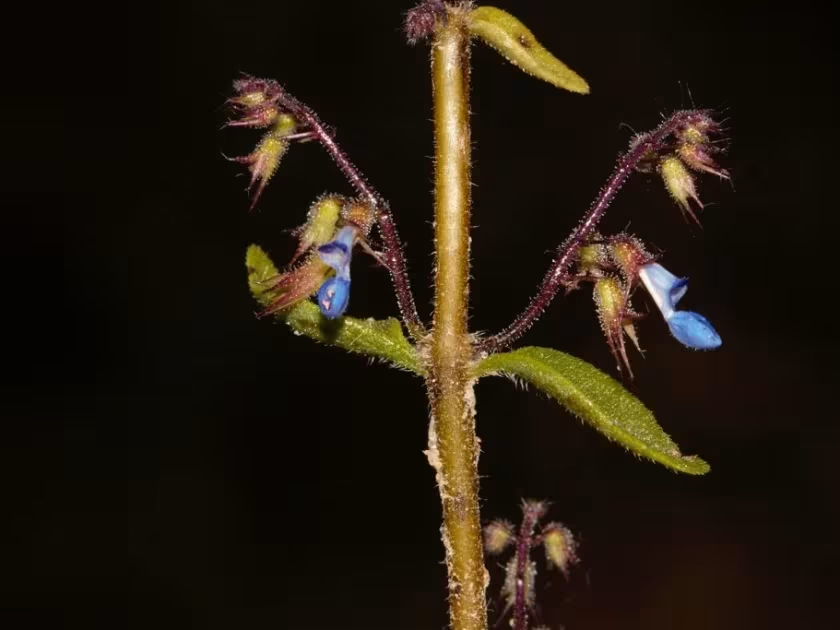
Description
Sowing dates
The sowing process for Coleus efoliatus begins with selecting high-quality seeds and a nutrient-rich, well-draining substrate. Early spring is the most favorable time for propagation in controlled indoor conditions.
Seeds should be sown on the surface of the soil with minimal coverage, as they require light to germinate effectively. Maintaining a consistent temperature between 22 and 25 degrees Celsius is crucial for high germination rates.
Once seedlings develop their first true leaves, they should be transplanted into individual containers. This promotes the development of a robust root system before the plants are moved to their permanent outdoor location.
Acclimatization to outdoor conditions should be carried out gradually over 7 to 10 days. This hardening process prevents thermal shock and allows the plants to adapt to variable wind and light conditions.
Spacing during planting in the field should follow a density of 3–5 plants per square meter to ensure adequate air circulation and prevent competition for nutrients.
Growing requirements
Coleus efoliatus thrives in climates that mirror its tropical origins, preferring stable warm temperatures and avoiding exposure to frost. The ideal temperature range for active growth is between 20 and 30 degrees Celsius.
The crop requires fertile, loam-based soil with a slightly acidic to neutral pH level. Proper site preparation, including organic matter incorporation, is essential for high yield production.
Water management is a key aspect of agrotechnology for this species. Consistent moisture levels must be maintained, but farmers must avoid waterlogging to prevent crown and root rot complications.
Light intensity significantly influences plant morphology and biomass production. While the crop can tolerate partial shade, it reaches maximum development under filtered, bright light conditions throughout the growing season.
Regular fertilization with a balanced NPK ratio is recommended during the vegetative growth phase. Supplementing with micronutrients such as iron and magnesium can enhance plant vitality and overall vigor.
Main diseases and pests
Spider mites are prevalent in warm, dry environments and can severely damage foliage if left unchecked. Frequent inspections and the use of acaricides are necessary for effective population control.
Aphids pose a major threat to young seedlings and growing tips. Integrated pest management strategies, including the use of neem oil or targeted insecticides, are recommended to minimize crop loss.
Powdery mildew often appears during periods of high humidity and poor ventilation. Proper site spacing and the application of sulfur-based fungicides are standard practices for disease management.
Root rot is typically caused by poorly drained soils or over-irrigation. Prevention through strict moisture control and the use of fungicides in affected zones is essential for maintaining crop health.
Whiteflies can cause substantial damage by feeding on plant sap and promoting the development of sooty mold. Sticky traps and systemic insecticide treatments are effective measures to limit their impact on production.