
Coleus esculentus
Coleus esculentus
Description
Growing requirements
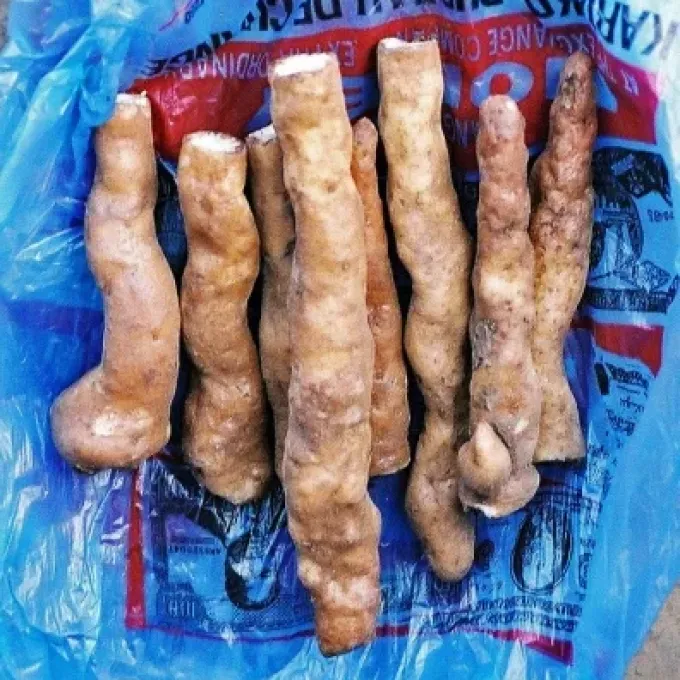
Coleus esculentus, currently taxonomically reclassified as Plectranthus esculentus, belongs to the Lamiaceae family. Native to tropical Africa, this plant is primarily cultivated for its edible, nutritious tubers that serve as a significant local dietary resource.
The crop requires well-drained, fertile soil to ensure optimal tuber development. Clay-heavy soils that retain too much moisture are detrimental to the plant's health, often causing the tubers to decay before maturity. Sandy loam soil enriched with compost is ideal for maximum yields.
Climate conditions are a critical factor in successful cultivation. The plant thrives in tropical and subtropical regions with consistent warm temperatures. Exposure to frost is fatal to the plant, and even cooler temperatures below 15°C significantly inhibit the metabolic processes necessary for tuber formation.
Light intensity is essential for photosynthesis and the subsequent translocation of carbohydrates to the roots. While the plant can tolerate partial shade, it is best grown in full sun to encourage vigorous growth and increase the size of the harvestable tubers.
Agronomic management involves regular maintenance of the soil structure. Hoeing and weeding are necessary to prevent nutrient competition during the early stages of development. Mulching is often recommended to maintain soil temperature and moisture balance, reducing the need for frequent irrigation.
Yield
The yield potential of this crop is influenced by the length of the growing season. In optimal conditions, the plant is harvested after six to eight months. Productivity can vary, but healthy plants usually yield substantial amounts of tubers per cluster, making it a viable subsistence crop.
Main diseases and pests
Pest pressures include various soil-dwelling organisms such as nematodes that can cause physical damage to the tubers, providing entry points for pathogens. Maintaining a proper crop rotation cycle is essential to reduce the population of these soil-borne threats.
Pathogenic fungi are the most significant threat to the crop, particularly in high-humidity areas. Symptoms include wilting and leaf spots, which can spread rapidly. Implementing proper plant spacing is a primary defense to ensure sufficient airflow throughout the canopy.