
Coleus amboinicus
Coleus amboinicus
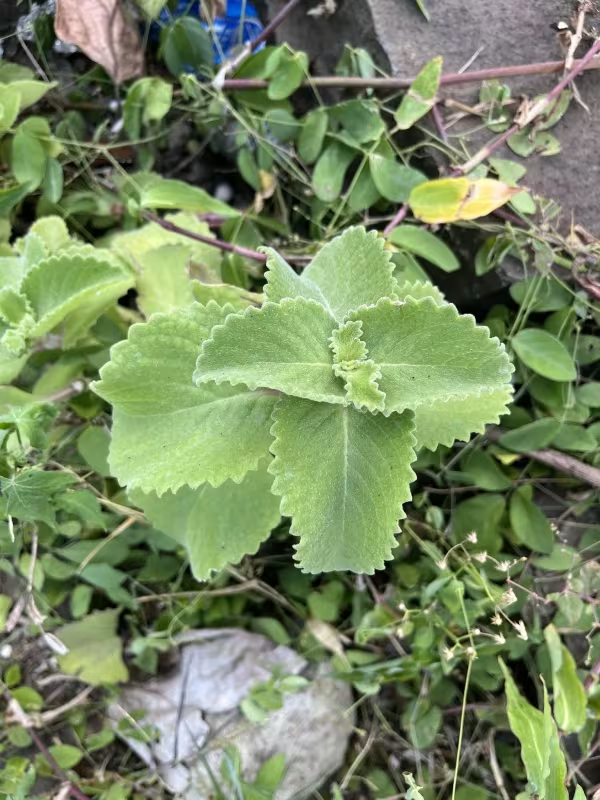
Description
Sowing dates
Propagation of Coleus amboinicus is primarily achieved through vegetative means. Stem cuttings are the most effective way to ensure the plant maintains its specific cultivar characteristics and genetic stability.
The ideal time for taking cuttings is during the spring and early summer when the plant is in an active growth phase. Cuttings about 10–15 cm long root easily in moist, light soil or even in a simple container of water.
Seed propagation is possible but less common. Seeds should be sown in early spring on the surface of well-draining substrate without covering them, as they require light to germinate, and kept under a thin plastic film.
Transplanting to an outdoor location should only occur after all risks of frost have passed, as this species is strictly a tropical perennial that cannot withstand freezing temperatures.
Once established, the young plants should be spaced appropriately to allow for sufficient airflow, which is critical in preventing humidity-related issues in the root zone and foliage.
Growing requirements
Belonging to the Lamiaceae family, Coleus amboinicus is a succulent perennial herb native to tropical regions of Asia and Africa. It is widely cultivated for its medicinal properties and aromatic leaves.
The plant thrives in bright, indirect sunlight. While it can handle some direct morning sun, it prefers protection from intense midday heat, which can scorch the thick, fleshy leaves.
Well-draining, loose soil is essential for success. A mixture of sand and organic potting compost is ideal to ensure that water does not remain stagnant around the sensitive root system.
Irrigation must be careful; the plant prefers to dry out slightly between waterings. Overwatering is the most common mistake and frequently leads to rapid decay of the stems and roots.
Temperature requirements are strictly tropical, favoring a range between 18 and 28 degrees Celsius. If temperatures drop below 10 degrees, the plant will likely suffer from cold stress and slow its metabolism significantly.
Main diseases and pests
The main pests affecting this crop include spider mites and mealybugs, which tend to proliferate in warm, dry environments. Regular monitoring of the undersides of leaves is vital for early detection.
Root rot is the most significant pathological threat, usually triggered by waterlogged soil. Signs include yellowing of the foliage, stem softening at the base, and sudden wilting of the whole plant.
Powdery mildew can occur in conditions of poor air circulation and high relative humidity. It appears as a white, dusty layer on the leaves, reducing the aesthetic and culinary value of the harvest.
Whiteflies can also cause issues in greenhouse settings, feeding on the underside of the leaves. Management includes cultural practices such as pruning to improve ventilation and using biological control agents.
To prevent disease outbreaks, gardeners should maintain high hygiene standards, removing dead plant matter promptly and ensuring that plants are not overcrowded in their growing area.
Harvesting
Harvesting the leaves can be done year-round in suitable climates. The leaves possess a strong, spicy aroma similar to oregano and thyme, making them a popular choice for culinary seasoning.
For fresh use, pick the leaves in the morning when their essential oil content is at its peak. Regular harvesting serves as a form of pruning, which encourages the plant to grow bushier and produce more foliage.
If drying the leaves, they should be spread out in a single layer in a shaded, well-ventilated area. Rapid drying is preferred to preserve the volatile compounds that define the plant's unique scent.
The culinary applications for this herb are diverse, ranging from flavoring meat dishes and stews to being used in refreshing herbal drinks and traditional medicinal teas.
Store dried leaves in airtight glass containers kept away from direct sunlight. This practice helps maintain the aromatic potency and shelf life of the herbs for up to twelve months.