
Coleus
Coleus scutellarioides
Description
Sowing dates
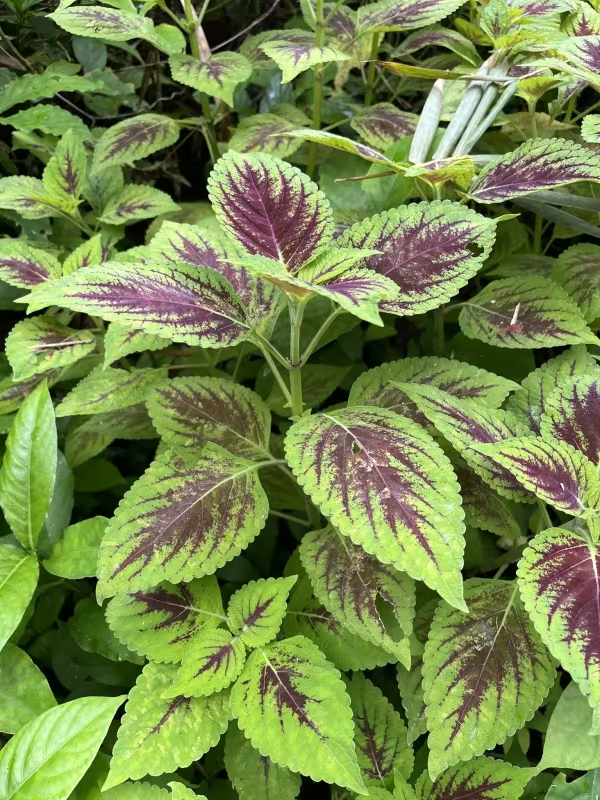
Coleus (Coleus scutellarioides), belonging to the Lamiaceae family, is a popular ornamental plant known for its vibrant foliage. Seeds are typically sown indoors during the late winter months, from February to March, to ensure healthy transplants.
A fine-textured, sterile seed-starting mix is essential for sowing. Seeds should be sown on the surface and pressed lightly into the soil, as they require light to germinate, and then kept in a warm environment at +22…+24°C.
Maintaining high humidity with a plastic cover is crucial until germination occurs, which usually takes about 10 to 14 days. Once seedlings emerge, the cover should be removed to provide better airflow and prevent fungal growth.
Seedlings are pricked out into individual cells or small pots once the first true leaves appear. This process encourages better root development and ensures each plant has adequate space for growth.
Vegetative propagation via cuttings is a common practice for commercial growers to maintain the specific traits of hybrid cultivars. Cuttings are placed in water or a moist medium and typically root within two weeks.
Growing requirements
Coleus plants thrive in warm climates and are very sensitive to cold temperatures. The ideal growing temperature ranges from +18°C to +25°C, as exposure to temperatures below +10°C can result in stunted growth or death.
Light intensity is a critical factor, as most varieties require bright, indirect light to develop their characteristic vivid leaf colors. Excessive direct sunlight can cause foliage bleaching, while insufficient light leads to leggy, weak stems.
The soil should be nutrient-rich, well-draining, and slightly acidic, with a pH level between 6.0 and 7.0. Ensuring that the container has adequate drainage holes is vital to prevent waterlogging and root rot.
Consistent moisture is key to successful cultivation. The growing medium should be kept evenly moist but never waterlogged. Regular watering schedule adjustments are necessary depending on the light intensity and ambient temperature.
Pinching back the growing tips is a fundamental agronomic technique for Coleus. By removing the terminal buds, growers stimulate the production of lateral branches, resulting in a fuller, more aesthetic plant.
Main diseases and pests
Spider mites are the most common pest, especially in low-humidity environments. They cause stippling on the leaves and can severely weaken the plant if left untreated, necessitating regular monitoring of leaf undersides.
Mealybugs and whiteflies can also infest the plants, particularly in greenhouse conditions. Managing these pests often requires a combination of physical removal, improved air circulation, and the application of appropriate insecticides.
Fungal issues, such as root rot and stem rot, are typically associated with overwatering or poor drainage. Using sterilized potting mixes and ensuring proper spacing between plants are the best preventive measures.
Downy mildew and powdery mildew can occasionally affect the foliage if ventilation is inadequate. Maintaining a dry leaf surface and monitoring humidity levels help mitigate the risk of these diseases.
- Regular inspection of the foliage.
- Good sanitation in the growing area.
- Balanced irrigation practices.
- Prevention of overcrowded plant arrangements.