
Coleus rotundifolius
Coleus rotundifolius
Description
Sowing dates
Coleus rotundifolius, commonly referred to as the African potato or native potato, is a herbaceous perennial belonging to the Lamiaceae family. In its native cultivation regions, it is typically planted at the onset of the rainy season when soil moisture and temperatures are ideal for rapid establishment.
The primary method of propagation is vegetative, utilizing stem cuttings or mature tubers. Cuttings are planted at a depth of 5–10 cm, maintaining a spacing of 30–40 cm between individual plants to ensure sufficient space for root system development and tuber expansion.
When propagating via seeds, nurseries are used to raise seedlings, which are then transplanted into open fields after the development of 4–6 true leaves. The crop is frost-sensitive; therefore, planting schedules must be strictly aligned with the end of the frost season.
Soil preparation involves deep tillage and the incorporation of organic matter to optimize structure. Proper preparation ensures high success rates for cuttings, which is vital for achieving a robust yield by the end of the growing cycle.
Crop rotation is essential to maintaining soil health. It is strongly advised not to plant Coleus in fields previously occupied by other Lamiaceae members to prevent the buildup of species-specific soilborne pathogens.
Growing requirements
This crop thrives in tropical and subtropical climates, preferring ambient temperatures between 20 and 30 degrees Celsius. While it benefits from full sun, some light shade during the hottest parts of the day can help prevent excessive moisture loss through the foliage.
Coleus rotundifolius prefers light, well-draining soils such as sandy loams. Waterlogging is detrimental to the development of the tubers and can quickly lead to physiological stress or the onset of rot, significantly reducing crop quality.
The ideal soil pH ranges from slightly acidic to neutral (5.5–7.0). High organic content in the topsoil layer is beneficial, as it promotes healthy tuber formation and contributes to higher final yields per plant.
Consistent moisture is required during the active growth phase. In regions with irregular rainfall, supplemental irrigation is necessary to prevent wilting and to ensure that the plant maintains a steady rate of photosynthesis.
Maintenance requirements include periodic hilling or earthing-up. This practice helps keep the root zone cool, retains moisture, and provides loose soil coverage necessary for the stolons to produce larger, more uniform tubers.
Yield
Yields of Coleus rotundifolius vary significantly depending on soil fertility, sun exposure, and management practices. Under optimal conditions, a well-managed hectare can produce between 10 and 20 tonnes of tubers.
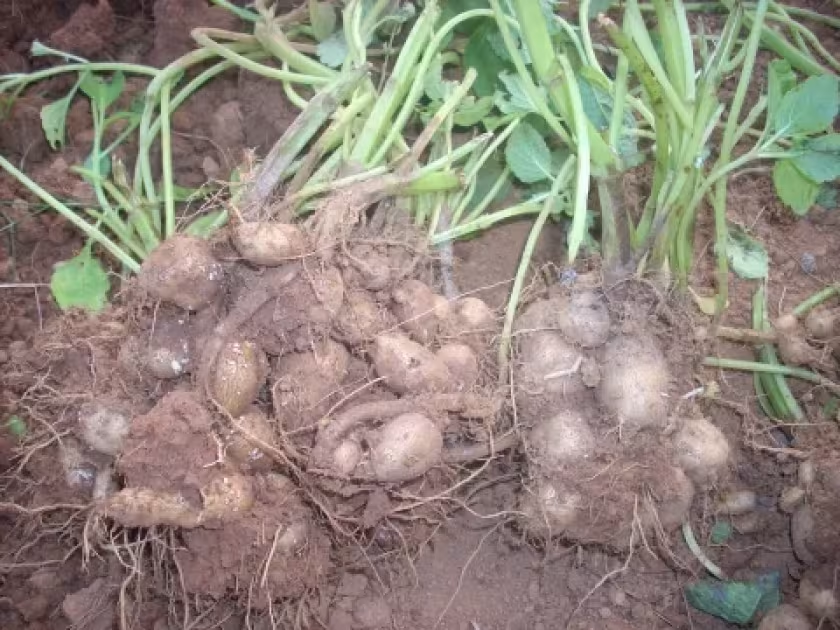
The tubers are typically oval or cylindrical, encased in a thin, edible skin. While individual tubers are generally small, the high density of tubers per plant allows for a consistent and reliable harvest for local consumption and market supply.
Yield potential can be enhanced by the judicious application of potassium-rich fertilizers, which are known to improve starch accumulation and sugar content within the tubers. Balanced nutrition remains the cornerstone of producing high-quality, marketable produce.
The growing season lasts between 5 and 8 months until physiological maturity is reached. Farmers typically begin harvesting when the foliage starts to yellow and wither, indicating that the plant has ceased its vegetative growth and allocated energy to the roots.
Economic efficiency is also tied to post-harvest storage. When stored in cool, dark, and dry conditions, the tubers exhibit reasonable shelf life, which acts as a buffer for food security in tropical agricultural systems.
Main diseases and pests
Coleus rotundifolius faces pressure from various pests, with root-knot nematodes being the most significant threat. These microscopic organisms damage the root system, causing stunted growth and lower-quality yields.
Fungal diseases, particularly root rot, are common threats, especially in heavy or waterlogged soils. Pathogens thrive in damp environments with poor soil aeration, necessitating careful site selection and drainage management.
Leaf-feeding insects may cause damage to the canopy during the peak growing season. While limited damage is tolerable, severe infestations can reduce the overall photosynthetic capacity of the plant, resulting in smaller tuber sizes.
Integrated Pest Management (IPM) strategies, such as crop rotation and the use of clean, certified planting material, are the primary defenses against these threats. Chemical pesticides should be used sparingly and only when necessary to minimize environmental impact.
Disease prevention relies on maintaining clean agricultural practices, including the removal of infected plants from the field and ensuring that soil drainage is adequate to prevent the accumulation of fungal spores.
Harvesting
Harvesting is performed manually after the above-ground foliage has completely lost its turgidity. Great care must be taken during excavation to avoid bruising the tubers, as their thin skin is highly susceptible to mechanical injury.
Garden forks or traditional hoes are commonly used to gently lift the tubers from the soil. Dry weather is the preferred condition for harvesting to ensure soil does not cling to the tubers, which facilitates easier cleaning and handling.
Post-harvest, the tubers should be cured in a shaded, well-ventilated area for several days. This curing process allows minor surface damage to heal, reducing the risk of rot during long-term storage.
After curing, the harvest is sorted to remove damaged or diseased specimens. The healthiest and largest tubers are reserved for the next season's planting and should be stored separately in cool, dry areas.
The tubers are versatile in the kitchen and can be boiled, roasted, or fried. They possess a flavor profile reminiscent of potatoes with an herbaceous undertone, making them a staple side dish in many traditional culinary practices across Africa and Asia.