
Coleus rhodesianum
Coleus rhodesianum
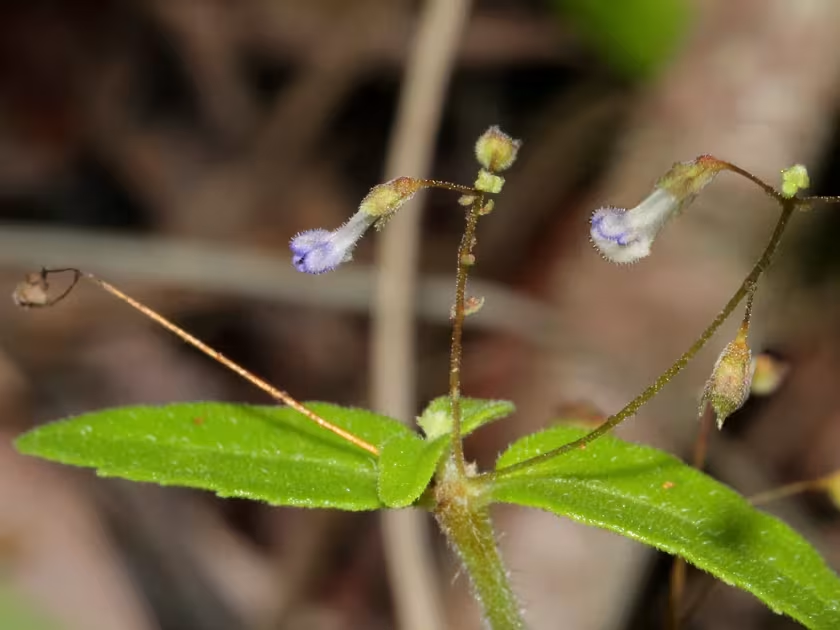
Description
Sowing dates
Coleus rhodesianum, a member of the Lamiaceae family, is a herbaceous perennial often treated as an annual crop in agricultural practices. Sowing begins in early spring, typically 8–10 weeks before the expected last frost date, to ensure vigorous plant development.
Seeds should be sown into a fine, sterile seed-starting mix, ensuring light covering as they require some light to germinate effectively. Maintaining a consistent temperature between 21°C and 23°C is crucial for successful seedling emergence.
Once seedlings develop true leaves, they require transplanting into individual cells to prevent root crowding. Consistent lighting is necessary during this stage to promote strong, stocky stems rather than spindly, weak growth.
Acclimatization of the plants before moving them outdoors is a vital step in the agricultural process. Gradual exposure to outdoor environmental conditions over a two-week period helps minimize transplant shock and enhances overall survival rates.
Field planting should only occur when soil temperatures have consistently reached a range conducive to active growth. Spacing must be carefully managed to ensure each plant receives adequate nutrients and airflow during its rapid growth phase.
Growing requirements
The crop thrives in locations that provide bright, indirect sunlight, as this intensity supports the best physiological development of the foliage. Excessive direct sunlight can lead to leaf scorch, while heavy shade results in stunted biomass production.
Soil quality is paramount, requiring well-draining, nutrient-rich substrates with a slightly acidic to neutral pH level. Incorporation of organic matter is highly recommended to improve soil structure and water retention capacities.
Moisture management is essential, requiring regular and uniform irrigation without saturating the soil. Any sign of waterlogging can cause immediate root stress, significantly inhibiting the crop's ability to assimilate essential minerals.
Temperature sensitivity is a defining characteristic of Coleus rhodesianum, requiring stable thermal environments for optimal growth. Exposure to temperatures below 10°C triggers a significant metabolic decline, potentially halting plant development entirely.
Regular fertilization with a balanced, controlled-release fertilizer is beneficial during the vegetative cycle. Proper monitoring of nutrient levels ensures that the plant has sufficient resources to sustain its rapid biomass accumulation.
Main diseases and pests
Spider mites are a persistent threat in environments with low humidity and high temperatures. These pests feed on the underside of leaves, causing chlorosis and a general decline in plant health if not managed with targeted acaricides.
Powdery mildew represents a major fungal threat, particularly in dense plantings where airflow is restricted. It manifests as a characteristic white, dust-like fungal growth, which can severely compromise the plant's photosynthetic efficiency.
Root rot pathogens, including various Oomycetes, often infect crops that are subjected to overwatering. Once root system damage occurs, the overall health of the plant deteriorates rapidly, often leading to irreversible wilting.
Aphid infestations frequently target the succulent tips of the stems, leading to curling and deformation of new growth. Early detection through regular crop inspection allows for efficient control using mechanical or biological methods.
Maintaining a clean cultivation environment, including the removal of debris and infected material, is key to disease prevention. Implementing a robust integrated pest management strategy is essential for high-quality yields in commercial production.