
Plectranthus paniculatus
Coleus paniculatus
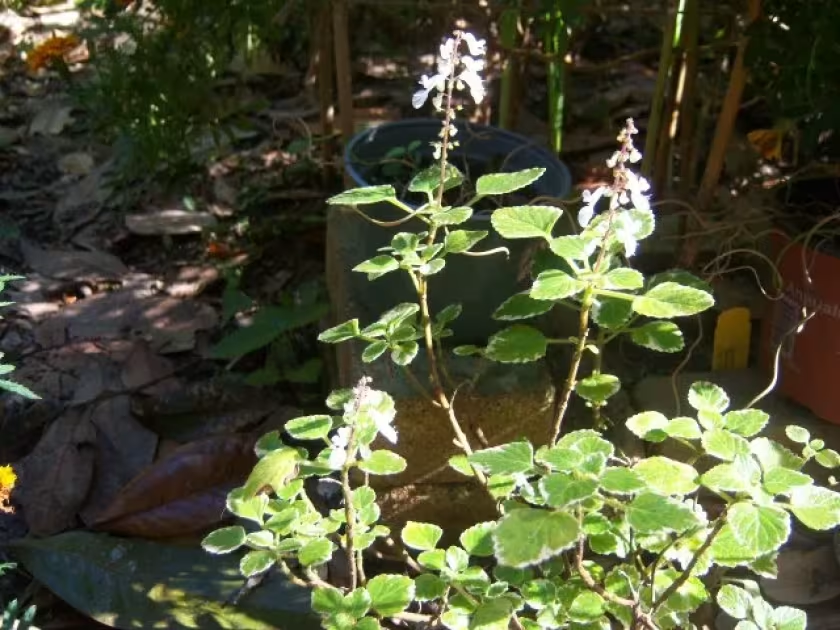
Description
Sowing dates
Plectranthus paniculatus is primarily propagated through stem cuttings, ensuring genetic uniformity and rapid establishment. The optimal time for cutting collection is during the spring season when the plant initiates new growth.
Cuttings should be approximately 10–15 cm long and planted in a sterile, well-draining medium like a mix of peat and coarse sand. Maintaining high humidity is essential for the first two weeks until the root system develops.
During the rooting phase, ambient temperatures should stay between 22°C and 25°C. Providing bright, indirect sunlight facilitates the metabolic processes required for successful propagation and subsequent growth.
Seed propagation is possible but less common due to the long maturation cycle. Seeds should be sown in early spring in seedling trays, covered with a fine layer of soil, and misted regularly to ensure consistent moisture.
Once seedlings are robust, they are transplanted into individual containers. Proper spacing is necessary to ensure adequate air circulation and prevent the development of fungal infections in the young crop.
Growing requirements
This species belongs to the Lamiaceae family and is adapted to tropical and subtropical climates. It thrives in environments with stable temperatures, avoiding extreme heat or freezing conditions.
The plant prefers fertile, loamy soil with a pH ranging from 6.0 to 7.0. Ensuring excellent soil structure is vital to prevent waterlogging, which the plant is highly susceptible to due to its succulent nature.
Watering requirements vary based on the growth cycle; during the active vegetative stage, keep the soil consistently moist but not saturated. In dormant periods, irrigation should be significantly reduced.
Nutrient management involves applying balanced, water-soluble fertilizers every few weeks during the peak growing season. Nitrogen levels should be monitored to ensure lush foliage without excessive, weak growth.
Regular pruning and tip pinching are necessary to maintain a compact, bushy habit. This practice not only enhances the plant's aesthetic value but also increases the total biomass available for harvesting.
Main diseases and pests
Root rot is the most frequent agricultural threat, usually resulting from poor soil drainage or over-irrigation. Preventive measures include using high-quality potting mixes and pots with adequate drainage holes.
Powdery mildew can infect leaves in humid, poorly ventilated environments. Management strategies include improving plant spacing and applying preventative bio-fungicides to protect the harvest quality.
Spider mites are common pests in controlled environments, especially when air humidity is low. Regular monitoring and maintaining proper air moisture levels are essential for effective pest management.
Mealybugs and aphids can colonize stems and leaf undersides, drawing essential nutrients. Integrated pest management, including the use of neem oil or insecticidal soaps, is highly effective for this crop.
Periodic inspection is required to catch infestations before they cause significant yield loss. Healthy, well-nourished plants show higher resistance to both biotic and abiotic stresses.
Harvesting
Harvesting for essential oils and medicinal compounds is timed to coincide with the plant’s peak vegetative maturity. This period usually occurs when the foliage is fully developed before the onset of flowering.
Leaves and young stems are harvested using sterilized tools to minimize the risk of wound infections. Picking should be done in the early morning to ensure maximum concentration of aromatic oils.
Post-harvest processing involves air-drying the biomass in a shaded, well-ventilated area to prevent degradation of heat-sensitive compounds. Direct exposure to sunlight must be avoided to preserve quality.
Once dried, the raw material should be stored in opaque, airtight containers to protect it from moisture and light. Properly stored products maintain their efficacy for several months.
The final product is utilized in the cosmetic and pharmaceutical industries for its anti-inflammatory properties and unique aromatic profiles, making it a valuable addition to specialized medicinal herb farming.