
Coleus maculosus
Coleus maculosus
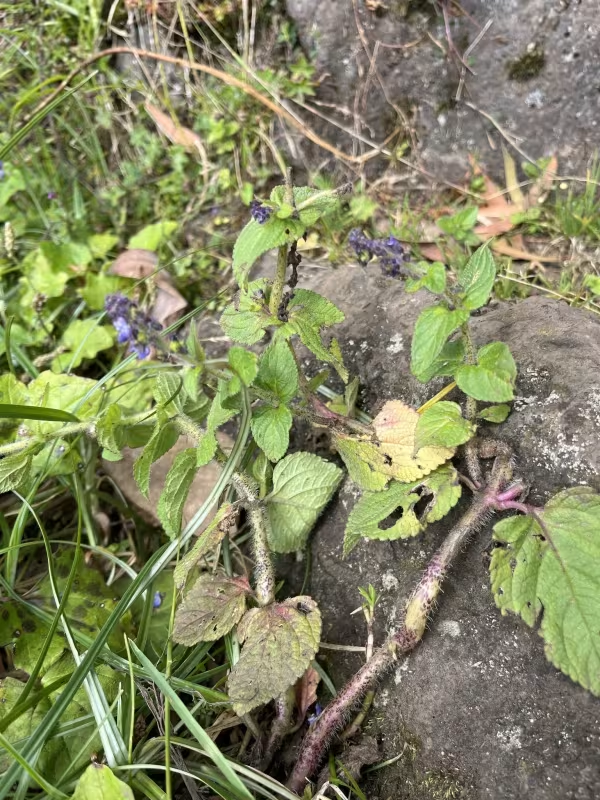
Description
Growing requirements
Coleus maculosus is a member of the Lamiaceae family, known for its distinct variegated foliage. As an ornamental plant, it is widely utilized in horticulture for both landscape design and container gardening applications.
The plant originates from tropical regions, thriving in environments with diffused sunlight and moderate to high humidity. Its cultivation is popular in regions where frost-free periods ensure a long and healthy growing cycle.
Successful cultivation requires temperatures consistently between 20°C and 25°C. As a tropical species, it is highly intolerant to cold, and even mild frost will result in immediate tissue damage and total crop loss.
For best results, Coleus maculosus requires well-draining, nutrient-rich soil with a pH ranging from 5.5 to 6.5. Maintaining proper drainage is essential to prevent moisture accumulation, which can compromise the root system's vitality.
Light levels must be carefully managed to maintain the vibrant leaf patterns; however, intense direct sunlight should be avoided to prevent leaf scorch. Consistent irrigation combined with balanced fertilization ensures robust growth throughout the season.
Main diseases and pests
The most common pests affecting Coleus maculosus include spider mites and whiteflies, especially when grown in closed greenhouse environments where air circulation may be restricted.
Root rot and powdery mildew are the primary diseases threatening the crop. These are usually triggered by excessive irrigation, high humidity, and poor ventilation around the plant canopy.
Management strategies involve the regular application of biological or chemical pesticides to control insect populations. Monitoring the undersides of leaves is a standard procedure to detect early signs of infestation.
Cultural practices, such as proper spacing and removal of decaying plant debris, are critical for disease prevention. Maintaining good sanitation in the growing area significantly reduces the reliance on heavy chemical interventions.
If a disease outbreak occurs, infected plants should be isolated or removed immediately. Preventive fungicide applications may be considered under high-pressure conditions to protect the remaining crop population.