
Livingstone's coleus
Coleus livingstonei
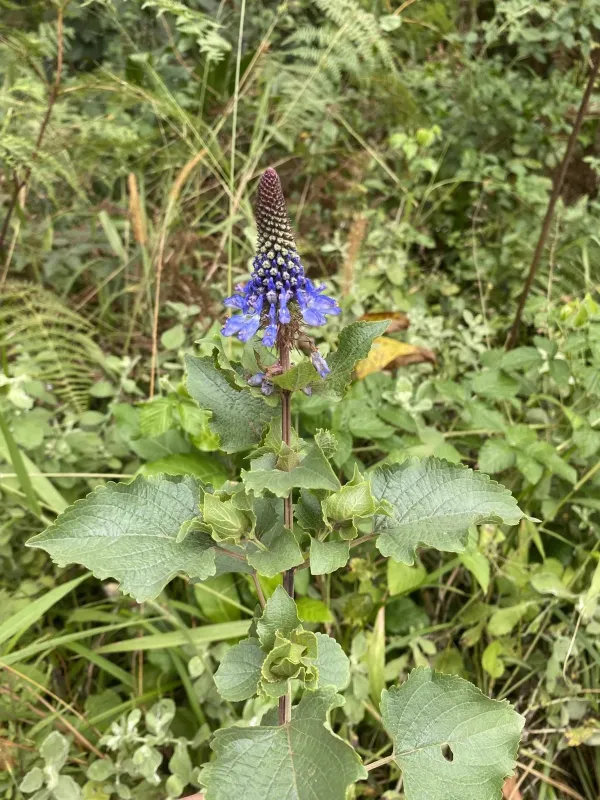
Description
Growing requirements
Livingstone's coleus (Coleus livingstonei) is a perennial herbaceous plant belonging to the Lamiaceae family. This species originates from the tropical regions of Africa, where it thrives in humid and warm environments.
The crop requires fertile, well-drained soil with a pH ranging from slightly acidic to neutral. Ensuring adequate drainage is essential, as waterlogging frequently causes root rot and sudden wilting of the plant.
Temperature management is crucial for this plant, which performs best in temperatures between +18°C and +26°C. Exposure to temperatures below +10°C is detrimental and can lead to irreversible cellular damage.
This plant prefers bright, filtered light to maintain its vibrant leaf pigmentation. Inadequate lighting levels often result in leggy stems and a dull appearance, which significantly reduces the plant's ornamental quality.
Economically, Coleus livingstonei is cultivated for decorative purposes in landscapes, commercial interior design, and greenhouse production. Its rapid growth rate and ease of propagation make it a reliable choice for intensive cultivation.
Main diseases and pests
Root and stem rot caused by Pythium and Phytophthora species are the most common diseases. These issues are typically triggered by poor drainage and excessive moisture levels within the soil profile.
Pest pressures primarily include infestations of spider mites, mealybugs, and whiteflies. These insects proliferate rapidly in dry indoor conditions and can cause severe damage to the foliage if left uncontrolled.
Regular sanitation of the growing environment is essential to suppress pest populations. Cleaning planting containers and removing debris prevents the accumulation of overwintering stages of harmful insects.
Monitoring for signs of powdery mildew is necessary, especially in environments with poor air circulation. Improving ventilation and reducing leaf wetness are standard agricultural practices for managing this fungal threat.
In cases of severe infestation, integrated pest management protocols should be followed. This involves balancing cultural practices with specific biological controls to ensure the health and longevity of the plant population.