
Coleus hybrids
Coleus hybrids
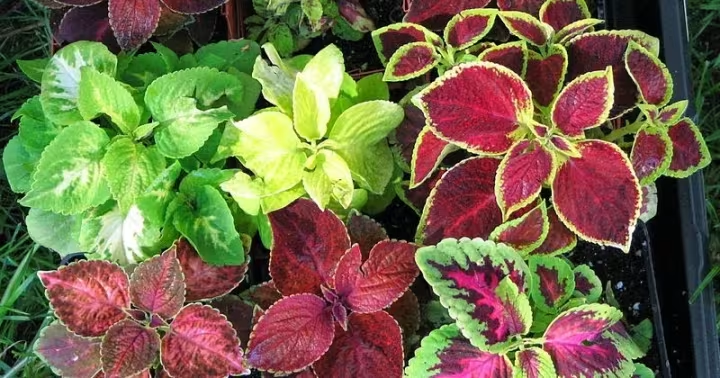
Description
Sowing dates
Coleus hybrids, members of the Lamiaceae family, are widely cultivated as annual ornamental plants. For optimal results, seeds should be sown indoors in late February or March, providing a head start before the beginning of the summer season.
The seeds are small and require surface sowing on a moist, well-draining medium without being covered by soil. Light is a critical factor for successful germination, so the seed trays should be placed in a well-lit area immediately after sowing.
Maintaining a constant temperature of 20–22 degrees Celsius is essential for uniform germination. Seedlings typically emerge within 10 to 14 days, after which they should be exposed to brighter light to ensure sturdy growth and prevent weak, spindly stems.
Pricking out the seedlings into individual containers is recommended once they develop their first set of true leaves. This promotes the development of a robust root system, which is vital for the plant to thrive when moved to its final growing location.
A hardening-off process is crucial before transplanting coleus outdoors. Gradually exposing the plants to outdoor conditions over a period of two weeks helps them adjust to fluctuations in temperature and light, reducing transplant shock.
Growing requirements
Coleus hybrids are thermophilic plants that thrive in warm climates and are highly sensitive to frost. They perform best when temperatures remain consistently between 18 and 25 degrees Celsius, making them ideal for summer gardens or indoor spaces.
The soil should be fertile, light, and possess excellent drainage to support vigorous foliage production. Incorporating organic matter such as compost or peat into the potting mix ensures sufficient nutrients and moisture retention for healthy development.
Water management is a key aspect of coleus care. The soil must be kept consistently moist but never waterlogged, as poor drainage often leads to root rot. If the plant is allowed to dry out, the foliage will wilt rapidly, signaling the need for immediate watering.
While coleus enjoys light, intense midday sun can scorch the delicate leaves. Bright, indirect light or dappled shade is the most favorable environment, as it enhances the vibrant pigmentation and pattern intensity of the foliage.
To maintain a bushy, compact habit, regular pinching of the terminal stems is necessary. This practice encourages the development of lateral branches and prevents the plant from blooming prematurely, allowing the energy to be focused on colorful leaf production.
Main diseases and pests
Spider mites are a common threat to coleus, especially in dry and warm conditions. These microscopic pests feed on the underside of leaves, causing yellow stippling and visible webbing, which can quickly lead to foliage decline if left unmanaged.
Mealybugs are another frequent pest that can infest the leaf axils, appearing as small, white, cotton-like masses. They feed on plant sap, weakening the coleus and often causing distorted growth and stunted development.
Whiteflies can cause significant damage in greenhouses or indoor environments. Their larvae suck the sap from the plants, and the subsequent secretion of honeydew often leads to the growth of unsightly sooty mold on the foliage surface.
Powdery mildew is a fungal issue characterized by a white, dusty coating on the leaves, usually triggered by high humidity and poor air circulation. Improving ventilation around the plants is essential for prevention and control.
Root rot, often caused by pathogenic fungi such as Phytophthora, is almost always the result of overwatering or inadequate soil drainage. If the stems become mushy or the leaves drop unexpectedly, immediate inspection of the roots and adjustment of the irrigation routine are required.