
Coleus hadiensis
Coleus hadiensis
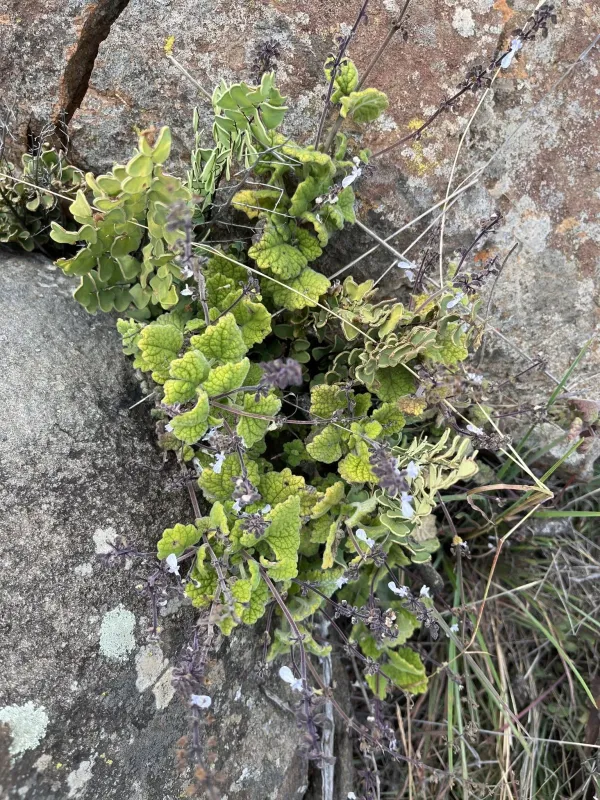
Description
Growing requirements
Coleus hadiensis is a perennial herbaceous plant belonging to the Lamiaceae family. Native to tropical East Africa and the Arabian Peninsula, this species has adapted to semi-arid rocky environments and warm climates.
The plant is known for its aromatic properties due to specialized glandular hairs on the leaves. Botanically, it typically develops succulent-like stems and broad, ovate leaves that contribute to its role in essential oil production.
For optimal growth, the crop requires well-drained, sandy loam soils with moderate fertility. Water stagnation is the primary factor limiting the plant's development, as it promotes root pathogens and physiological stress.
The species is highly thermophilic, preferring a stable temperature range between 20°C and 30°C. It lacks tolerance for frost, which necessitates cultivation in tropical/subtropical zones or controlled greenhouse environments in temperate areas.
Exposure to full sunlight is essential to stimulate the biosynthesis of secondary metabolites, including essential oils. Shaded conditions lead to etiolation, resulting in weak stems and significantly reduced quality of the harvested biomass.
Harvesting
The harvesting of Coleus hadiensis primarily targets its foliage. The optimal time for collection is during the peak of the vegetative growth phase, just before the onset of flowering, when essential oil concentration is at its highest.
Manual harvesting is the standard method for small-scale production, ensuring that only the healthy, aromatic leaves and soft stem tips are collected. This encourages lateral branching and secondary growth.
Mechanical harvesting may be applied in larger commercial plots, but it requires careful calibration of equipment to minimize damage to the succulent stems, which can oxidize rapidly if bruised.
Post-harvest management involves immediate drying in well-ventilated, shaded areas. Rapid drying prevents the fermentation of volatile compounds and maintains the desired chemical profile of the oil.
Storage of the dried material should occur in airtight containers to preserve the aromatic components. Properly stored biomass can retain its quality for an extended period, suitable for processing or extraction.