
Forster's Coleus
Coleus forsteri
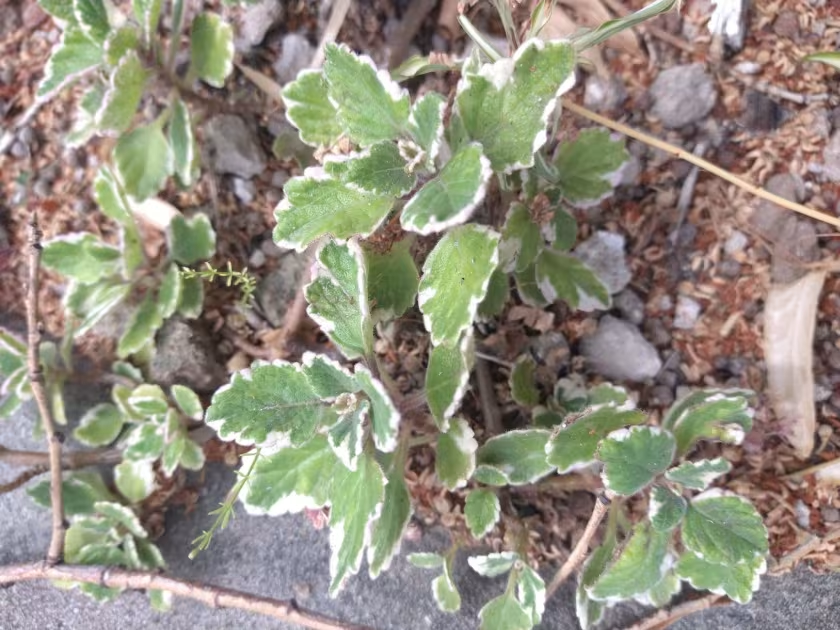
Description
Growing requirements
Forster's Coleus (Coleus forsteri) is a member of the Lamiaceae family, known for its attractive foliage and adaptability in garden designs. It is typically grown as a perennial in tropical climates or as an annual in cooler regions.
Originating from the Pacific Islands, this species requires a warm environment to thrive. It performs best in conditions that mimic its natural habitat, with high humidity and consistent warmth during the growing season.
Ideal soil for this plant should be fertile, well-draining, and rich in organic matter. While it is tolerant of various soil types, maintaining a steady pH level around neutral is recommended for optimal nutrient absorption.
Light requirements are flexible, though partial shade is preferred to protect the leaves from excessive scorching. In low-light conditions, the foliage may lose its vivid coloration, becoming greener and less intense.
Good agricultural practice involves regular watering, periodic fertilization with a balanced mix, and tip pinching. These techniques ensure the plant remains bushy and prevents excessive leggy growth.
Main diseases and pests
Common pests that affect Forster's Coleus include spider mites and whiteflies, which are particularly prevalent in dry, warm environments. Monitoring foliage underside is essential for early detection.
Root rot remains the most common threat, often caused by poor drainage or overwatering. Proper ventilation around the plant canopy helps reduce the risk of fungal infections such as powdery mildew.