
Cipadessa
Cipadessa
Cipadessa is a genus of evergreen shrubs and small trees belonging to the Meliaceae family. The most prominent species, Cipadessa baccifera, is naturally distributed across the tropical and subtropical regions of Asia, flourishing in forests and scrublands.
What the section contains

Cipadessa
The plant thrives in well-drained, nutrient-rich soils with a slightly acidic to neutral pH profile. Because it is native to tropical environments, Cipadessa requires high humidity and consistent moisture levels throughout the growing season to maintain healthy foliage development.
Optimal environmental conditions include full sun to partial shade, with temperatures consistently between 20°C and 30°C. The plant is highly sensitive to frost and cannot survive in temperate climates without significant winter protection, making greenhouse cultivation essential in non-tropical zones.
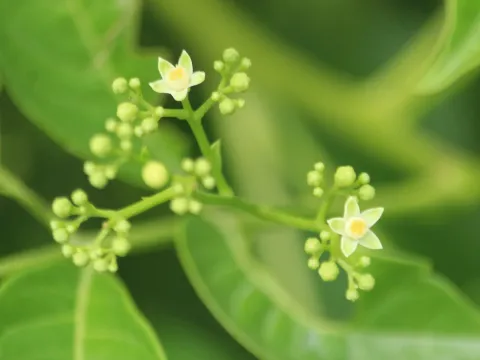
Botanically, Cipadessa is characterized by pinnate leaves and small, white, fragrant flowers arranged in panicles. The fruit is a small, globose berry that turns deep purple to black upon maturation, serving as a vital food source for local bird populations which aid in seed dispersal.
In terms of economic utility, Cipadessa is valued for its potential medicinal properties. Research suggests the presence of bioactive limonoids in various plant parts, which are being studied for their potential applications in pharmaceutical formulations and traditional herbal medicine practices.
The primary pests affecting Cipadessa include scales, aphids, and spider mites. These organisms can stress the plant, leading to stunted growth or leaf chlorosis. Integrated pest management, focusing on biological controls, is highly recommended for sustainable cultivation.
Fungal pathogens such as leaf spot and root rot are prevalent in environments with poor air circulation or waterlogged soil. To mitigate these risks, growers should ensure proper spacing between plants and monitor soil moisture levels to avoid saturation.