
Golden saxifrage
Chrysosplenium ramosum
Description
Growing requirements
Chrysosplenium ramosum, commonly known as golden saxifrage, is a perennial herb belonging to the Saxifragaceae family. It is naturally found in moist, shaded environments, particularly in forest understories and near aquatic zones in parts of the Far East.
The core requirement for the successful development of this culture is constant soil moisture. It thrives in nutrient-rich, humus-heavy soils that retain moisture well. The plant is highly sensitive to drought and lacks tolerance for dry, exposed sites, making its cultivation site selection critical.
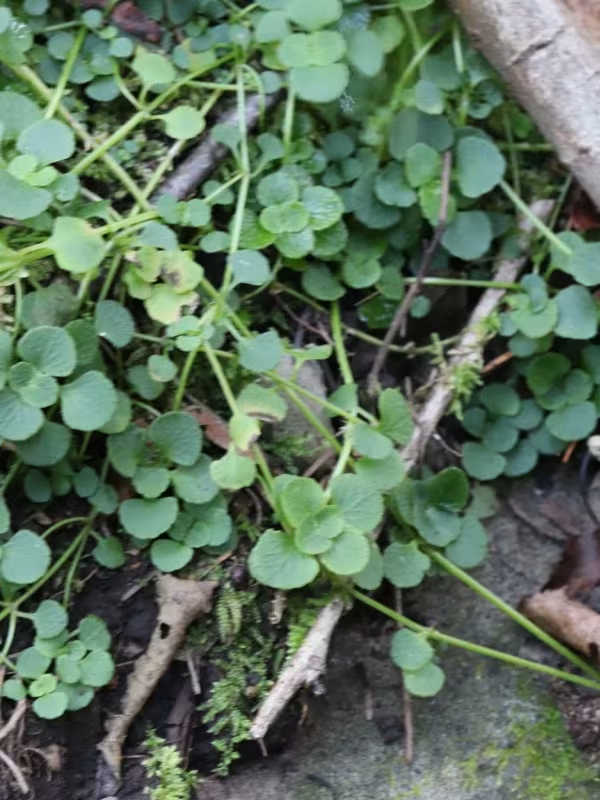
Biologically, the plant features branched stems and alternate or opposite rounded leaves. The flowers are small, but they are surrounded by prominent, bright yellow bracts that provide significant visual interest during the flowering period, effectively serving as the main attraction of the plant.
Agricultural management is primarily focused on environmental maintenance rather than traditional large-scale farming. Growing this species requires an artificial recreation of cool, humid microclimates with partial or full shade to prevent leaf scorch and root stress caused by high temperatures.
In terms of хозяйственное (utility) usage, the plant is valued for decorative landscaping, particularly in water gardens and damp alpine setups. It does not possess significant industrial agricultural importance, thus its cultivation remains concentrated in horticultural and botanical collections.
Main diseases and pests
The primary threats to Chrysosplenium ramosum include various root rot pathogens and fungal diseases that flourish in high-humidity conditions. Proper drainage is essential, even for a moisture-loving plant, to prevent anaerobic soil conditions.
Pest pressure mainly comes from slugs and snails, which can rapidly damage the succulent foliage. Monitoring and manual removal, along with the maintenance of a clear, weed-free environment, are the primary methods for protecting the plants from significant herbivory.