
Gray's golden-saxifrage
Chrysosplenium grayanum
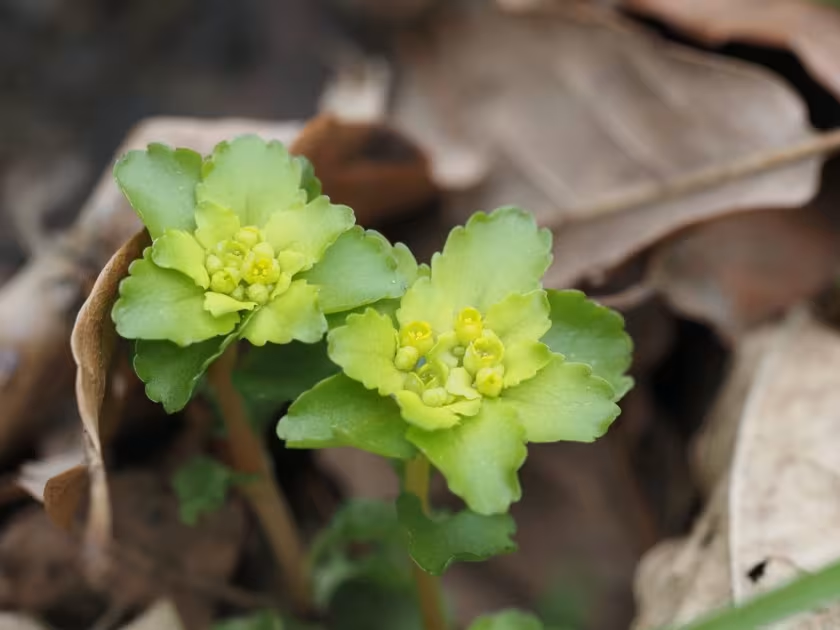
Description
Growing requirements
Gray's golden-saxifrage (Chrysosplenium grayanum) is a herbaceous perennial belonging to the Saxifragaceae family. This plant is naturally adapted to cool, moist environments and thrives in shaded conditions, typically found near forest streams.
The primary environmental requirement for successful cultivation is consistent soil moisture. The plant is intolerant of direct, intense sunlight and dry conditions, making north-facing slopes or woodland settings ideal for its development.
For optimal growth, the soil should be rich in organic matter and possess a crumbly, friable texture. While the plant loves water, it is crucial to ensure that the soil remains aerated, as stagnant, anaerobic conditions can quickly lead to root decline.
This species is well-adapted to cooler climates and exhibits robust cold hardiness. In gardens, providing a layer of organic mulch helps to insulate the roots during the dormant season and mimics the natural forest floor habitat.
Agrotechnical maintenance includes regular monitoring of soil moisture levels. During periods of low precipitation, supplementary irrigation is essential to prevent wilting and to ensure the plant's long-term survival in garden settings.
Main diseases and pests
Slugs and snails represent the most significant pest threats to Gray's golden-saxifrage. Due to the plant's preference for moist, shaded areas, these gastropods find it an attractive food source, often causing extensive damage to the foliage.
Fungal diseases are a common threat, particularly root and crown rots. These are usually triggered by excessive moisture coupled with poor drainage or stagnant air conditions that prevent the soil surface from drying slightly.
Powdery mildew may occur if the plants are situated in areas with poor airflow and high humidity. Thinning out plantings and ensuring adequate spacing between individual plants is a key preventive strategy to mitigate this issue.
Nematodes represent a subterranean threat that can weaken the plant over time. Crop rotation or soil replacement in localized planting spots is recommended if signs of nematode-induced stress are detected in the root system.
Regular sanitation, such as removing decaying plant debris, is vital for disease control. By keeping the growing environment clean and providing proper ventilation, the risk of pathogen accumulation and subsequent infestation is minimized.