
Fleshy golden-saxifrage
Chrysosplenium carnosum
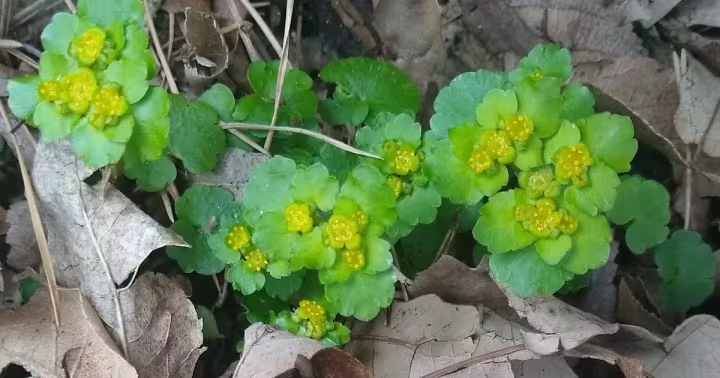
Description
Growing requirements
Fleshy golden-saxifrage (Chrysosplenium carnosum) is a perennial herbaceous plant belonging to the Saxifragaceae family. Native to the mountainous regions of Central Asia, it is adapted to cool, rocky environments where moisture is consistently present.
The plant is characterized by its succulent leaves, which are a botanical adaptation for water retention. It typically grows in low, dense clumps, making it an excellent candidate for carpet-like coverage in shaded garden areas.
In terms of cultivation, it requires a location with cool temperatures and filtered sunlight. Full exposure to direct sun should be avoided as it leads to rapid desiccation of the shallow root system, especially in warm climates.
The soil profile for this species should be loose, well-draining, and rich in organic matter. A mixture simulating a rocky mountain soil—combining fine gravel with humus—provides the best environment for root development and prevents waterlogging.
This species is primarily utilized in horticultural settings, specifically for rock gardens, fern borders, or the edges of naturalistic ponds. Its ability to thrive in deep shade where other plants struggle makes it a valuable asset for landscape design.
Main diseases and pests
The primary threats to Chrysosplenium carnosum are fungal diseases, particularly root and stem rot caused by poor drainage or excessive humidity around the root collar. These pathogens thrive when the environment lacks proper air circulation.
Slugs and snails are the most prominent pests for this plant. Because of the fleshy nature of the foliage, these gastropods find it highly palatable, often causing significant aesthetic damage to the leaves and stems during wet seasons.
To mitigate the risk of disease, it is essential to ensure that the site has a high-quality drainage system. Avoiding heavy nitrogen fertilizers is recommended, as they can lead to soft, succulent growth that is more susceptible to infection.
Management of pests often involves physical barriers or manual removal during evening hours. In extreme cases, environmentally friendly molluscicides may be applied, though it is crucial to follow local regulations regarding chemical use in gardens.
General maintenance, such as removing surrounding weeds, is critical. Weeds not only compete for nutrients but also create micro-climates of high humidity that encourage fungal infections, thus compromising the health of the golden-saxifrage clumps.