
Golden saxifrage
Chrysosplenium album
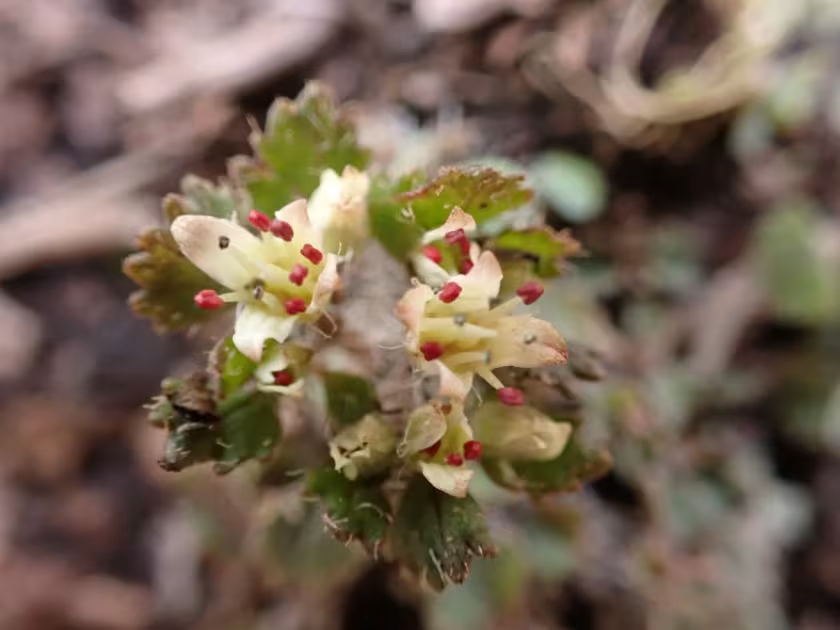
Description
Growing requirements
The Golden saxifrage (Chrysosplenium album) belongs to the Saxifragaceae family and is a low-growing perennial favored for its ground-covering properties. It is naturally adapted to moist, cool habitats, often found in woodland regions.
The cultivation of this plant requires specific soil conditions, characterized by high moisture content and rich organic composition. While it thrives in wet environments, it is essential that the soil is well-draining to prevent root rot during periods of excessive rainfall.
Regarding light requirements, the plant prefers shade or partial shade. Exposure to intense sunlight can significantly stress the plant, leading to leaf scorching and potential decline in its overall health and aesthetic value.
Agrotechnical maintenance focuses primarily on moisture retention. Regular mulching is recommended to maintain a cool root zone and suppress weeds, which could otherwise outcompete this shallow-rooted ground cover.
The propagation of the species is highly effective via division of established clumps, a process best performed in spring or autumn when temperatures are moderate, facilitating quicker establishment in new locations.
Main diseases and pests
Slugs and snails pose the most significant threat to the foliage. These pests can rapidly consume the succulent leaves, and consistent monitoring or the use of physical barriers is advised to minimize visual damage.
Root pathogens associated with stagnant water can cause systemic decline. If drainage is insufficient, the soil conditions favor anaerobic bacteria and fungi that attack the root system, causing the plant to yellow and die back.
In hot and dry climates, the lack of sufficient humidity can lead to rapid wilting. Without supplemental irrigation, the plant may enter premature dormancy, reducing the duration of its ornamental display throughout the season.
While generally hardy, overcrowding can create an environment conducive to fungal leaf spots. Providing adequate spacing and ensuring good airflow is essential for the long-term vitality of the planting beds.
Careful weeding is mandatory because the plant's delicate stems can be easily disrupted by mechanical cultivation. Hand-weeding should be done with minimal soil disturbance to preserve the integrity of the root mats.