
Chrysosplenium pilosum
Chrysosplenium pilosum
Description
Growing requirements
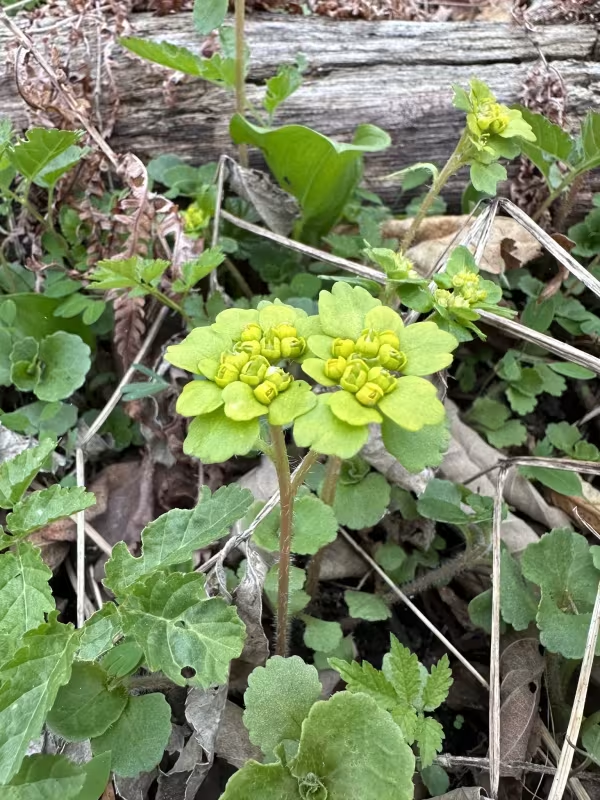
Chrysosplenium pilosum, known as a type of golden saxifrage, belongs to the Saxifragaceae family. It is a perennial herbaceous plant native to damp, cool woodland regions and mountain stream banks, characterized by its prostrate habit and creeping rhizomes.
The botanical structure of the plant features hairy stems and leaves arranged in a rosette or alternate pattern, often topped with yellow-green bracts during the flowering period. This plant is well-adapted to environments where humidity remains high throughout the growing season.
Environmental requirements for cultivation include consistently moist, humus-rich, and well-draining soil. It thrives best in partial to full shade, mimicking the protected conditions found under dense forest canopies where direct sunlight is filtered and minimal.
In terms of climate, the species prefers temperate regions with cool summers and reliable moisture levels. It demonstrates good frost tolerance, often entering dormancy in winter and re-emerging early in the spring as the snow begins to melt.
Agricultural management should prioritize the maintenance of microclimatic humidity. While it is a robust groundcover in appropriate settings, weeding is necessary during the establishment phase to ensure the plant can spread without competition from aggressive grasses.
Main diseases and pests
The primary threats to Chrysosplenium pilosum include infestations by gastropods, specifically slugs and snails, which can decimate the foliage during wet spells. Management strategies involve physical barriers and habitat modification to reduce pest harborages.
Root pathogens and various fungal wilts pose a risk if soil aeration is poor or if the site remains waterlogged without movement. Maintaining a balanced soil structure is essential to prevent these diseases and promote healthy vegetative expansion.