
Nepal golden-saxifrage
Chrysosplenium nepalense
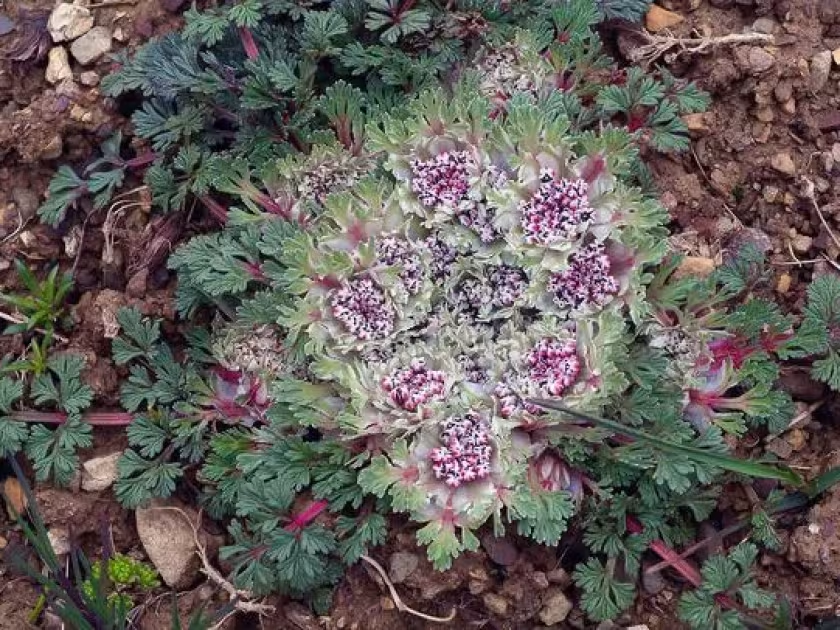
Description
Growing requirements
The Nepal golden-saxifrage (Chrysosplenium nepalense) is a perennial herbaceous plant belonging to the Saxifragaceae family. This low-growing species is known for its ability to form dense, lush mats in cool and shaded environments.
Native to the high-altitude regions of the Himalayas and Nepal, this plant is naturally adapted to moist, cool mountain forests. Its geographic distribution highlights a preference for temperate climates with consistently high humidity levels.
Botanically, it features succulent leaves and inconspicuous flowers that are surrounded by vivid, yellow-green bracts. This visual display is a significant trait that appears in the early spring, marking the start of the plant's active growth phase.
In terms of cultivation, the plant requires organic-rich, damp, and well-drained soil. It thrives in deep or partial shade, making it an excellent choice for woodland gardens or moist areas where other shade-tolerant plants might struggle.
Its primary use is in landscape design, where it serves as an effective groundcover. Gardeners utilize it to fill empty spots beneath tree canopies or along the edges of shaded water features to create a naturalistic aesthetic.
Main diseases and pests
The main threats to the plant are fungal diseases triggered by stagnant water and poor air circulation. Root rot and mildew are common issues if the planting site does not have adequate drainage for excess water.
Slugs and snails are the most prominent pests for this species. Given the plant's succulent nature and preferred habitat, these mollusks can quickly damage the foliage, leading to a significant loss of ornamental value.
Weed competition is a significant concern during the establishment period. Since the plant is low-growing and slow to spread, it needs initial protection from invasive species that might overgrow it.
Environmental stress, particularly during unexpected hot spells, can cause the plant to wilt rapidly. Without proper mulching or additional shading, the moisture levels in the soil can drop below the threshold required for survival.
Effective management includes regular monitoring for pest activity and ensuring the planting environment mimics its natural forest floor habitat. Providing consistent soil moisture without waterlogging is the key to disease prevention.