
Wintergreen barberry
Berberis julianae C. K. Schneid.
Description
Growing requirements
Berberis julianae, commonly known as the Wintergreen barberry, is a robust, evergreen shrub belonging to the Berberidaceae family. Originally native to central China, this plant is highly valued for its year-round foliage and thorny structure.
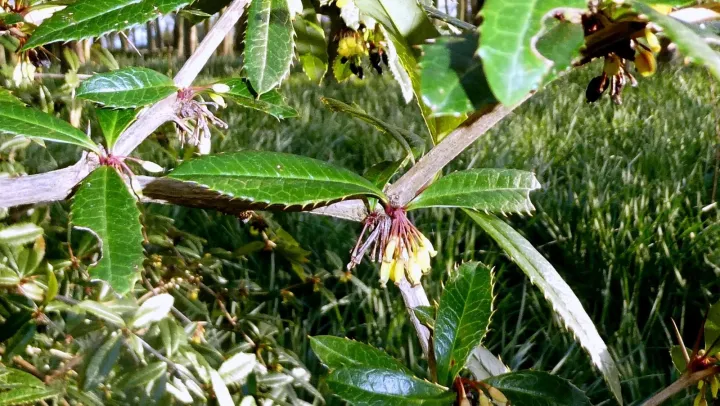
The shrub reaches heights of up to 3 meters and is characterized by its stiff, spiny branches and glossy, dark-green leathery leaves. During the spring season, it produces clusters of small yellow flowers that add significant ornamental value to gardens.
For optimal growth, it requires full sun or light shade. It is relatively adaptable to various soil types but performs best in well-drained, fertile loams with a neutral or slightly acidic pH, which helps maintain the plant's overall vigor.
Agrotechnical maintenance includes regular pruning to manage its dense growth habit. Being highly tolerant to pruning, it serves as an excellent choice for hedge formation, as it can be easily shaped to fit specific landscape design requirements.
In terms of climate, it thrives in temperate zones. While it is hardy, younger plants benefit from mulch application in cold winters to protect their roots from extreme temperature fluctuations and excessive soil freezing.
Main diseases and pests
Wintergreen barberry is susceptible to common fungal issues such as powdery mildew and rust. These diseases primarily appear under humid conditions, making proper plant spacing essential to ensure adequate air circulation throughout the foliage.
Pest problems usually involve barberry aphids and leaf-rolling insects. These pests feed on fresh growth and can cause significant aesthetic damage if left untreated, thus requiring timely monitoring and intervention.
Management of these threats involves the use of appropriate fungicides and insecticides when necessary. Integrated pest management practices, such as pruning infected branches, are recommended to maintain plant health.
Good garden hygiene, such as clearing debris from around the base of the shrub, is a crucial step in preventing disease recurrence. Consistent inspection during the growing season allows for early detection of issues.
Proper fertilization and irrigation contribute to the plant's natural resistance. A strong, healthy plant is always more capable of overcoming minor infestations or environmental stressors than a neglected one.