
Cañihua
Chenopodium pallidicaule Aellen
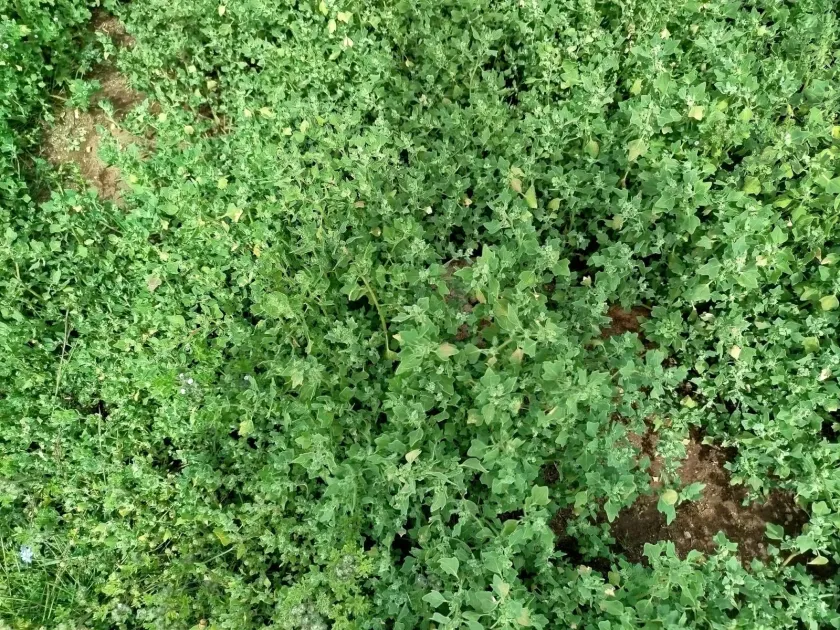
Description
Sowing dates
Sowing of Cañihua (Chenopodium pallidicaule) is typically aligned with the start of the rainy season, usually occurring in September or October in the Andean highlands. The crop is remarkably adaptable, allowing it to be sown in conditions where other temperate cereals might fail to germinate.
The seeding rate must account for the very small size of the seeds. A shallow planting depth of 1 to 2 centimeters is essential, as the seedlings do not have enough energy to emerge from deeper soil layers. Proper seed-to-soil contact is crucial for successful establishment.
Soil preparation involves light tillage to create a fine tilth, which is necessary for uniform germination. In traditional farming, the land is cleared of stones and weeds to ensure the crop does not face competition during its slow early growth stages.
Crop rotation with potatoes is a common and highly effective agricultural practice in its native habitat. This helps manage soil fertility and reduces the buildup of soil-borne pathogens, ensuring a healthier crop in the subsequent cycle.
Timing the sowing is a delicate balance, aiming to avoid extreme late-spring frosts while ensuring the crop has enough moisture for growth. Farmers monitor weather patterns closely to determine the optimal window for planting each year.
Growing requirements
Cañihua is a robust annual plant belonging to the Amaranthaceae family, uniquely adapted to survive at altitudes up to 4000 meters. It thrives in harsh environments characterized by low atmospheric pressure and extreme temperature fluctuations between day and night.
The plant prefers well-drained, sandy or loamy soils with a neutral to slightly acidic pH. It is notably undemanding regarding soil fertility, making it an excellent choice for marginal land reclamation in mountainous regions.
The optimal temperature range for Cañihua is 10 to 20 degrees Celsius, though it possesses unique biochemical mechanisms that allow it to withstand temperatures near freezing. These adaptations make it one of the most cold-resistant agricultural plants on the planet.
While the plant is quite drought-tolerant, it requires consistent moisture during the early vegetative stages to establish a strong root system. Once mature, it can withstand significant periods of dry weather without a major impact on yield.
High levels of solar radiation, common in high-altitude plateaus, are beneficial for the plant's development. Good airflow and exposure to sunlight help the plant form dense, productive inflorescences and reduce the humidity around the canopy.
Yield
Yields of Cañihua generally range from 800 to 1500 kilograms per hectare, depending on soil quality and agricultural management. While these numbers might seem low for industrial agriculture, they are remarkably consistent in difficult mountainous climates.
The uneven ripening of seeds within the same inflorescence is a major challenge for mass production. This often necessitates manual or multi-stage harvesting, though modern breeding efforts are focusing on creating varieties with more uniform maturation cycles.
The grain is very small, which complicates the cleaning and winnowing process. Post-harvest, the product must be carefully handled to avoid losses, as the light seeds can be easily scattered by wind during the threshing phase.
In smaller mountainous farms, Cañihua is highly valued because it provides a reliable food source when other crops fail. The stalks and residues are often used as livestock fodder, ensuring that almost the entire biomass of the plant is utilized.
Recent research indicates that moderate organic fertilization can significantly boost yields without compromising the plant's natural hardiness. As demand for gluten-free superfoods rises, interest in increasing the productivity of this crop is growing globally.
Main diseases and pests
Cañihua is generally resistant to pests and diseases, but high humidity can lead to fungal infections such as downy mildew. Maintaining proper plant spacing is essential to ensure adequate airflow and prevent the development of these pathogens.
Lepidopteran larvae can occasionally damage the inflorescences during the seed-filling stage. Integrated pest management, which encourages natural predators, is the preferred method for dealing with these threats in sustainable Andean agriculture.
Root rot is a potential risk if the soil is overly compacted or experiences waterlogging. Improving soil drainage and strictly following crop rotation guidelines are effective preventive measures against these soil-borne issues.
Strong winds and hail are common environmental threats in the Andes that can cause lodging or mechanical damage to the crop. Breeding varieties with sturdy, thick stems has proven to be a successful strategy to mitigate these risks.
Post-harvest pests are another concern if storage conditions are not optimized. Maintaining low moisture content and using sealed, clean storage containers are vital steps to ensure the long-term quality and safety of the seed.
Harvesting
Harvesting usually begins when the majority of the plant turns a brownish or blackish color and the seeds are firm to the touch. It is crucial to monitor the field closely, as over-maturation can lead to significant seed shattering and losses.
Traditionally, the plants are cut manually with sickles and bundled together. These bundles are often left to field-dry for several days, provided the weather remains dry and sunny, which helps in the final maturation of the seeds.
Threshing is accomplished by beating the dried bundles, followed by winnowing to remove chaff and impurities. Because of the seed's small size, the process requires skill and specialized fine-mesh screens to effectively separate the grain.
After thorough cleaning, the seeds must be sun-dried to a final moisture content of approximately 10–12%. This level of dryness is critical for preventing mold growth during the long-term storage of the crop.
The finished product is used in various ways, including flour for baking, porridge, and soups. Its nutritional profile, rich in protein and essential amino acids, makes it a highly sought-after product in the international health food market.