
Nettle-leaved goosefoot
Chenopodium murale L.
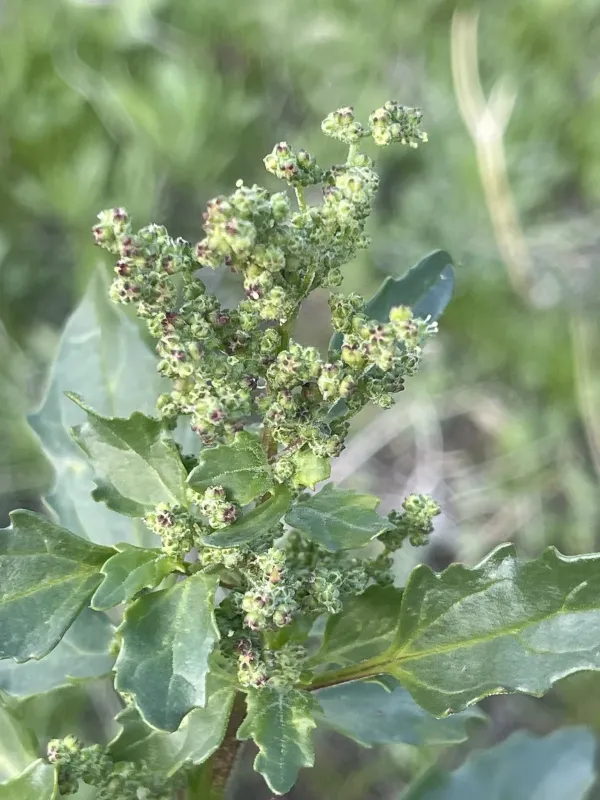
Description
Sowing dates
Nettle-leaved goosefoot is an annual herbaceous plant belonging to the Amaranthaceae family. In agricultural environments, it is categorized as a common ruderal weed that typically colonizes disturbed sites, roadsides, and cultivated fields.
The life cycle of this plant begins in early spring once soil temperatures reach levels conducive to germination. The seeds exhibit high viability and can persist in the soil seed bank for several years, making long-term control a complex agricultural challenge.
The plant undergoes rapid vegetative growth, developing a branched stem with distinctive, coarsely toothed leaves. Emergence timing varies depending on regional climatic patterns, typically coinciding with the early growth stages of surrounding crops.
As a classic opportunistic weed, Chenopodium murale is designed to occupy vacant niches rapidly. It continues to develop throughout the warm season, completing its lifecycle before the onset of the first hard autumn frosts.
Given the immense seed production potential of a single plant, pre-emptive control measures before the flowering stage are vital. Proactive monitoring and early mechanical or chemical intervention are necessary to mitigate large-scale infestation.
Growing requirements
Nettle-leaved goosefoot prefers loose, fertile, and nitrogen-rich soils, often proliferating in heavily fertilized agricultural environments. It exhibits significant adaptability to various soil types, ranging from loams to lighter, sandy substrates.
The plant demonstrates high tolerance for varying moisture levels, although optimal biomass production occurs under conditions of moderate water availability. The preferred soil pH range is generally neutral to slightly alkaline.
Sunlight is a fundamental requirement for the development of Chenopodium murale. It is an obligate sun-loving plant that does not tolerate shading, which explains its preference for open, non-canopied environments in fields and pastures.
The wide thermal tolerance of this species allows it to thrive in diverse climatic zones. It is capable of enduring significant temperature fluctuations, which contributes to its status as a widespread agricultural weed.
Effective agronomic management requires a combination of deep tillage and precise inter-row cultivation. Crop rotation practices that promote competitive ground cover are also essential for suppressing the development of this invasive species.
Main diseases and pests
While often acting as a host, nettle-leaved goosefoot itself can be susceptible to various fungal pathogens. Powdery mildew is frequently observed on the foliage, particularly in environments with high humidity and stagnant air.
Downy mildew may also infect the plant, causing yellowing of leaves and reduced vigor. Despite these infections, the plant's robust biological structure often allows it to maintain presence and continue reproduction.
Pests such as aphids commonly colonize the plant, feeding on sap and potentially transmitting viral diseases to neighboring crops. This makes the weed a significant reservoir for plant pathogens in a farming system.
Leaf miners, which feed on the internal tissues of the leaves, create distinct visual trails. While these pests may not eliminate the weed, their presence is an indicator of the biotic pressure within the field ecosystem.
An integrated pest management (IPM) approach requires the eradication of Chenopodium murale to disrupt the disease and pest cycles. Consistent field sanitation is recommended to maintain optimal crop health and reduce reliance on heavy pesticide usage.