
Chenopodium spinescens
Chenopodium spinescens (R. Br.) S. Fuentes & Borsch
Description
Growing requirements
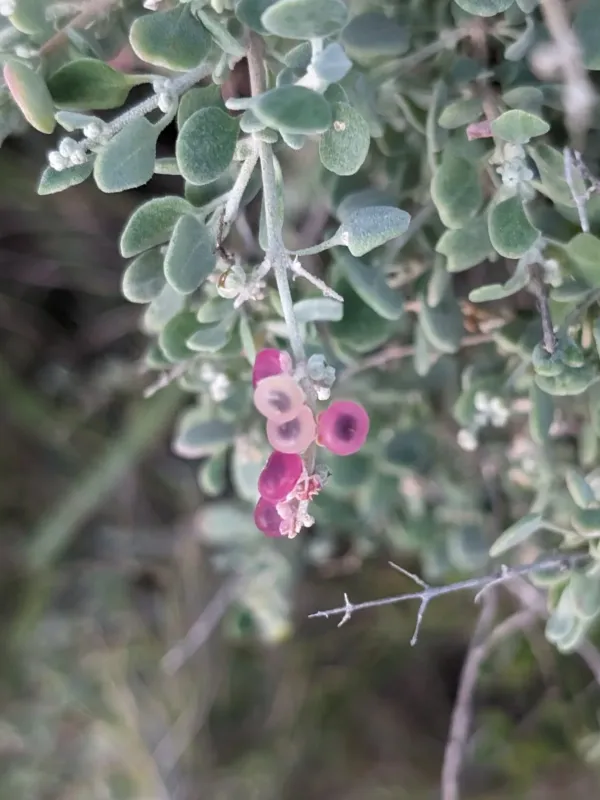
Chenopodium spinescens, commonly known as spiny saltbush, is a hardy perennial subshrub belonging to the Amaranthaceae family. Originating from arid and semi-arid regions of Australia, this plant is well-adapted to harsh environmental conditions characterized by irregular precipitation and extreme thermal stress.
The botanical profile of the plant includes a branched, woody structure with spine-tipped branchlets, which serve as a natural defense mechanism against herbivores. Its leaves are small and often succulent, allowing for efficient water storage and minimal transpiration, which is essential for survival in arid landscapes.
Regarding soil requirements, the species thrives in well-drained sandy or loamy soils. It demonstrates a significant degree of salt tolerance, enabling it to colonize saline-affected areas that are generally considered unsuitable for conventional crop production. Proper soil aeration is crucial for root health.
Climatic requirements for Chenopodium spinescens involve full sun exposure and dry conditions. It is highly resistant to drought but suffers significantly if roots remain saturated with water for extended periods, making site selection based on drainage capacity a top priority for farmers.
The agricultural and economic utility of this crop is primarily focused on soil reclamation and stabilization in arid zones. Furthermore, it serves as a valuable forage resource for livestock in environments where higher-demand crops fail to yield, contributing to sustainable pastoralism.
Main diseases and pests
Chenopodium spinescens is remarkably resistant to many common agricultural diseases due to its native adaptation to extreme environments. However, excessive moisture during cultivation can trigger fungal issues such as root rot or mildews, particularly in areas with poor ventilation.
Pests that may impact the crop include various lepidopteran larvae that feed on foliage. In most cases, these infestations are localized and do not require heavy chemical intervention, as the plant possesses robust recovery mechanisms and inherent chemical defenses.
Management of pests should focus on integrated pest management (IPM) practices, emphasizing biological controls and maintaining the right ecosystem balance within the field. Avoiding high-density planting helps to mitigate the spread of potential pathogens and pest populations.
Farmers should conduct routine phytosanitary inspections, especially after heavy rain events which alter the humidity levels of the micro-habitat. Early detection of leaf discolouration or wilting allows for quick corrective actions like drainage improvement or selective thinning.
Maintaining a clean field environment by minimizing competing weed species ensures that Chenopodium spinescens remains vigorous and less susceptible to opportunistic infections. Proper field layout is the primary defensive strategy against most threats to this resilient species.