
Fig-leaved goosefoot
Chenopodium ficifolium Sm.
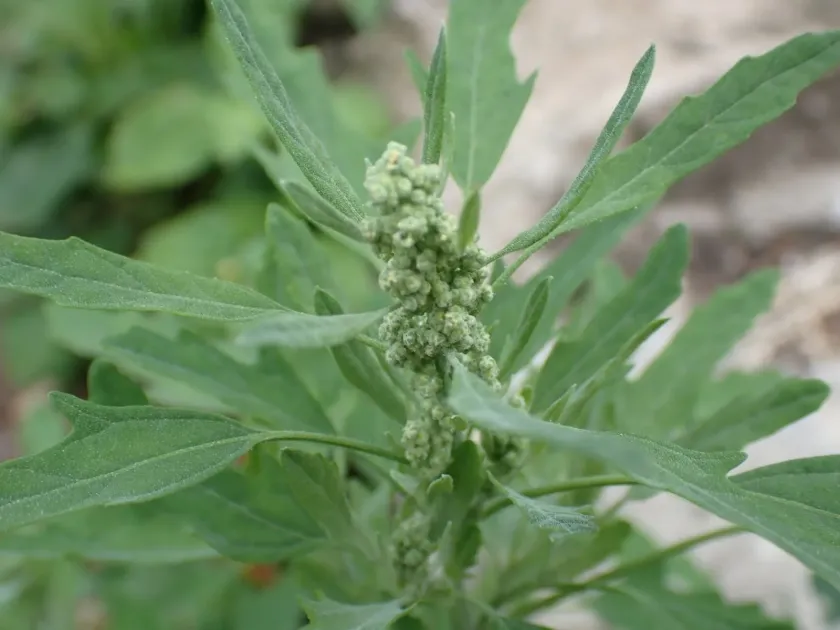
Description
Sowing dates
Chenopodium ficifolium is an annual plant that emerges in early spring. Seeds begin to germinate at temperatures as low as +3°C to +4°C, with the most active emergence occurring when temperatures reach +10°C to +15°C.
The germination process is continuous throughout the growing season, which presents a significant challenge for farmers attempting to manage its population in row crops. Early mechanical disturbance is essential to minimize its establishment.
In temperate climates, the emergence coincides with the planting of spring cereals. The ability of the seeds to germinate from a depth of several centimeters ensures that the plant remains a persistent competitor throughout the season.
Rapid initial growth allows the plant to outcompete many young crops for space and light. Managing the seed bank through shallow soil cultivation before crop emergence is a standard practice in integrated weed control programs.
Staggered emergence patterns often necessitate multiple post-emergence herbicide applications to protect the yield potential of the main crop. Understanding the timing of germination is crucial for optimal field management.
Growing requirements
The fig-leaved goosefoot thrives in nutrient-rich, nitrogen-heavy soils, making it a common sight in manured fields and areas with intensive agricultural activity. It prefers well-drained, fertile loamy soils.
It is an obligate heliophyte, meaning it requires high levels of solar radiation for optimal development. Shading from the crop canopy is one of the most effective natural ways to suppress its growth and limit its reproductive success.
The plant exhibits high ecological plasticity, adapting to various soil pH levels, though it generally favors neutral to slightly alkaline conditions. Its deep root system allows it to withstand temporary water stress.
Soil structure and aeration play a vital role in its proliferation. Fields with high organic matter content are particularly susceptible to heavy infestations if integrated management practices are not strictly followed.
Regular crop rotation and the use of competitive cultivars that close the canopy quickly are recommended strategies to reduce the light availability required by the goosefoot to mature and set seed.
Main diseases and pests
Chenopodium ficifolium serves as an alternative host for several economically significant plant viruses and fungal pathogens, including those that cause root rot and leaf spot in sugar beets and potatoes.
The plant is frequently colonized by various aphids and leaf miners. These pests can easily transition from the weed to nearby crops, leading to severe damage and necessitating additional insecticide applications.
Effective management requires a combination of chemical and cultural methods. Herbicides should be applied during the early vegetative stage, as older plants develop high resistance to many common chemical agents.
If left unmanaged, a single plant can produce thousands of seeds that remain viable in the soil for several years. Preventive measures focus on stopping seed rain by eliminating weeds before the flowering stage.
Integrated weed management must prioritize field hygiene, including cleaning machinery to prevent seed dispersal and managing field margins where the plant often finds a favorable habitat to establish its base.