
Cheiridopsis rostrata
Cheiridopsis rostrata
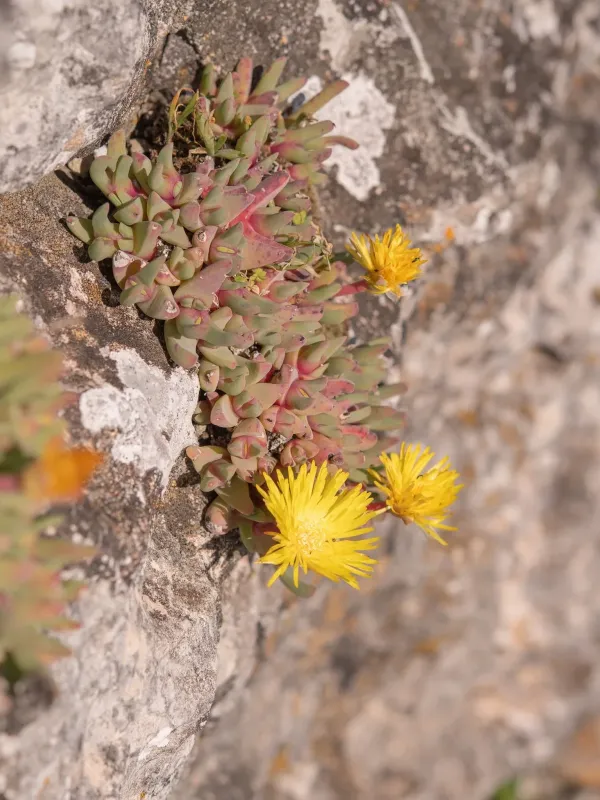
Description
Growing requirements
Cheiridopsis rostrata is a succulent species belonging to the Aizoaceae family. Native to the arid regions of the Northern Cape in South Africa, it has evolved to thrive in harsh, rocky landscapes with minimal water availability.
The plant features distinct, fleshy, opposite leaves that are often fused at the base. During the dry season, the plant undergoes a period of dormancy, during which old leaves wither to form a papery sheath that protects the new growth inside.
This species requires high light intensity throughout the year. Providing at least 6 hours of direct or very bright filtered sunlight daily is essential for maintaining the plant’s compact structure and vibrant leaf coloration.
Soil requirements for Cheiridopsis are quite strict. A highly porous mix consisting of 30% organic matter and 70% inorganic materials, such as pumice, grit, or coarse sand, is recommended to ensure rapid drainage and prevent waterlogging.
Cultural care involves a precise watering schedule. During the growing season, water should be applied only when the soil has dried out completely. In winter, the plant enters dormancy, requiring cool temperatures and virtually no irrigation to prevent rotting.
Main diseases and pests
Root rot is the primary threat to Cheiridopsis rostrata, typically caused by overwatering or poor soil drainage. If the leaves become soft and discolored, it is often a sign of root damage, requiring immediate repotting and soil aeration.
Mealybugs are common pests that hide in the crevices between leaves. Regular inspection of the plant’s base is necessary, and any infestation should be treated with systemic insecticides or diluted neem oil for better control.
Fungal infections can develop if there is insufficient air circulation around the plant, especially in high-humidity environments. Improving ventilation and reducing humidity levels are key preventive measures for maintaining plant health.
Spider mites may occasionally occur, causing stippling on the leaves. These pests thrive in dry conditions; therefore, misting is generally avoided, but keeping the plant in a clean environment helps reduce the risk of outbreaks.
Stunted growth or lack of flowering often indicates that the plant has not experienced a proper dormant period with the required temperature drop. Adjusting the seasonal care regime is essential for long-term survival and healthy development.